Measurement Tips: The Smart, Stylish Guide to Getting Every Fit Right
Before you can dress for your shape, tailor a perfect blouse, or even understand why a blazer pulls across the chest, you need one foundation: accurate measurement tips. Proper measurements are the hidden engine behind flattering fashion — the quiet precision that makes every outfit look intentional, smooth, and tailored to you. Think of them as the first step in body confidence: once you know your numbers, styling becomes effortless.
Whether you’re measuring your body for clothing, checking chest width for better bra fit, adjusting blouse sizes, understanding step length, or simply learning the benchmarks of proportion, the right techniques change everything. This guide brings together the smartest, most reliable measurement methods used by tailors, stylists, and fit experts so you always get it right the first time.
Table of Contents
- Introduction to Essential Measuring Techniques
- Body Measurement Basics Every Woman Should Master
- Chest, Bust & Bra Fit Clarified
- Blouse Fit & Upper-Body Precision
- Height, Proportion & Step-Length Measuring
- Everyday Measuring: From Cooking to Home Projects
- Tools, Tapes & Equipment Tips
Final Expert Takeaway
1. Why Body Measurement Mastery Matters
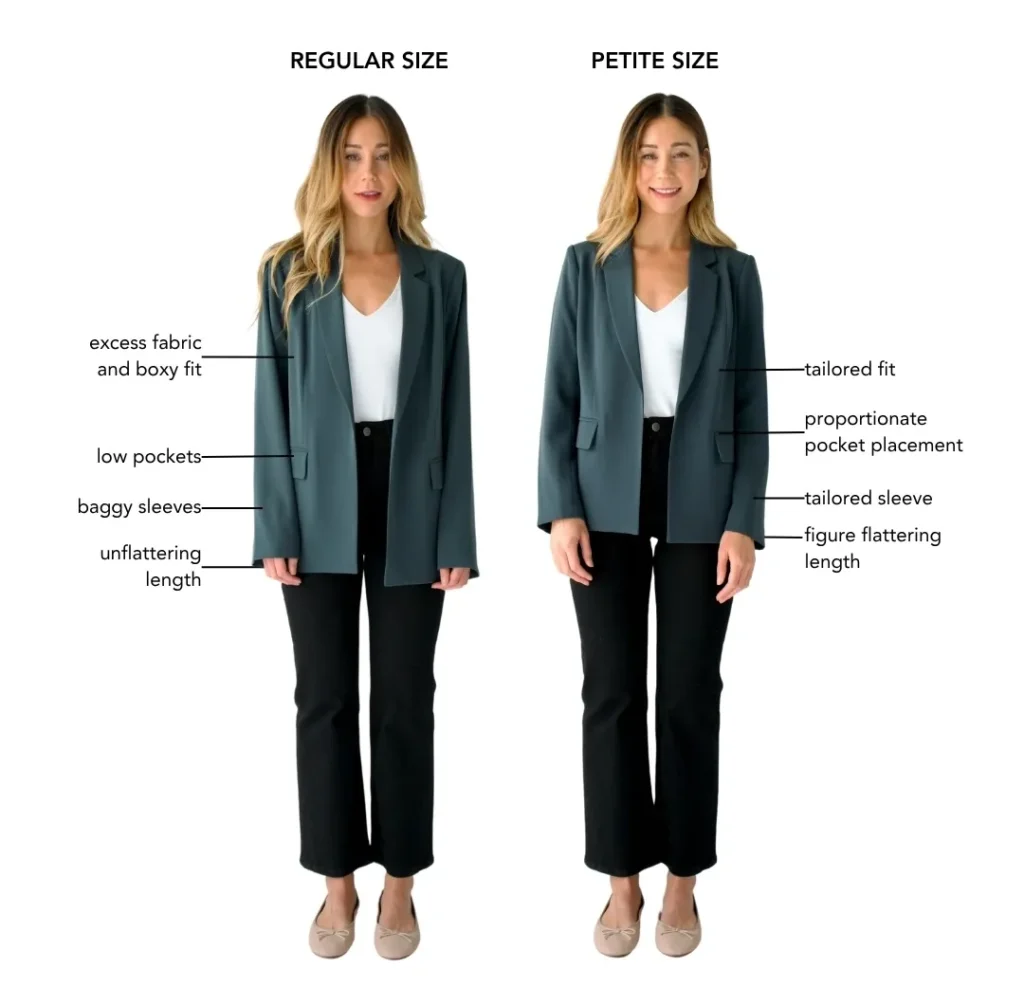
Accurate proportions are the backbone of good styling. Even the most beautiful outfit fails if its fit doesn’t honour your shape. Tailors rely heavily on measurement tips and tricks, because every body carries weight, volume, and curves differently — and clothing must respond to that.
Whether you’re choosing jeans, correcting blouse tightness, adjusting shoulder seams, or comparing ready-to-wear sizes, a few centimetres can completely change the look. Mastering measurement techniques gives you control over how clothes sit, skim, and sculpt.
2. Body Measurement Tips Every Woman Should Know
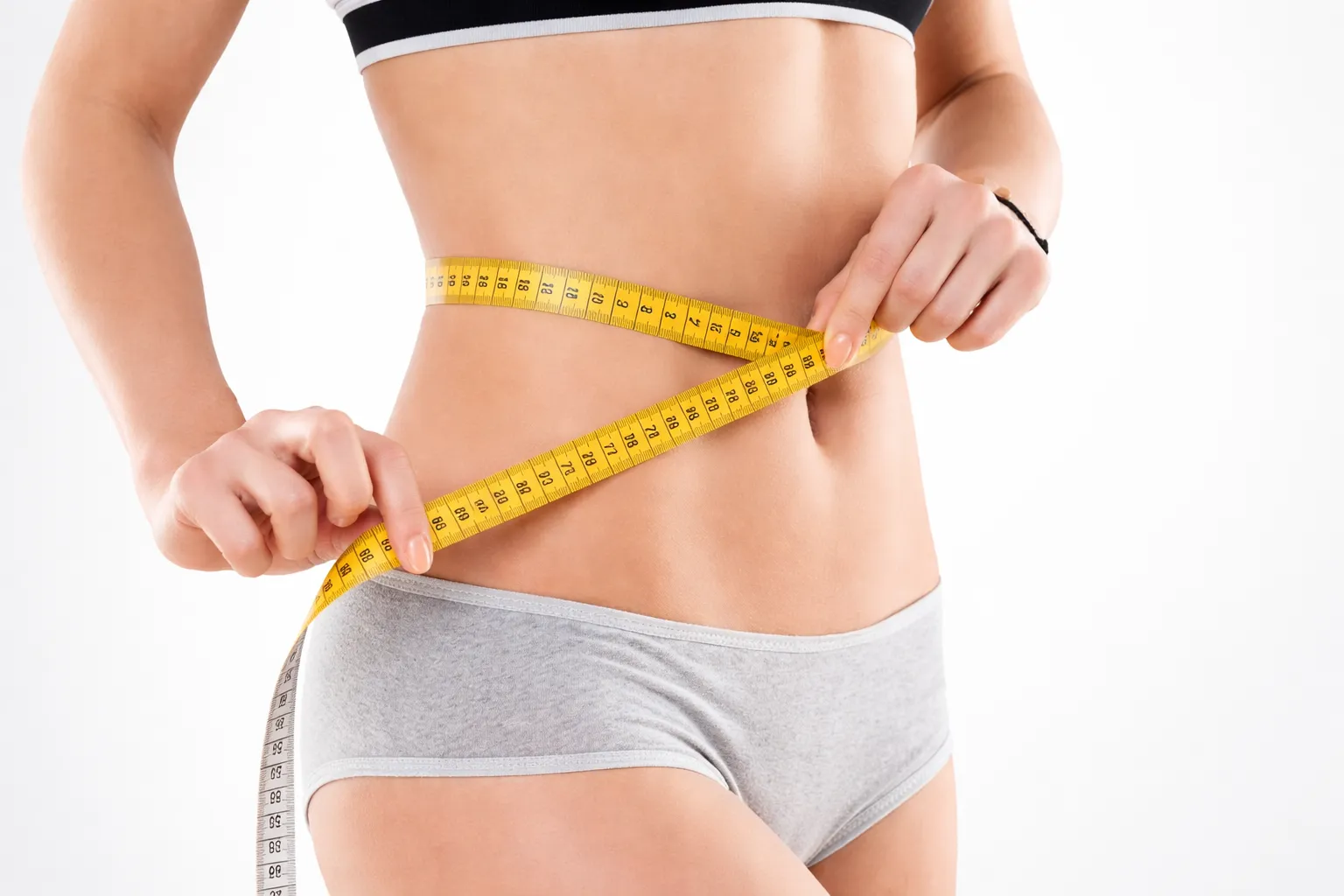
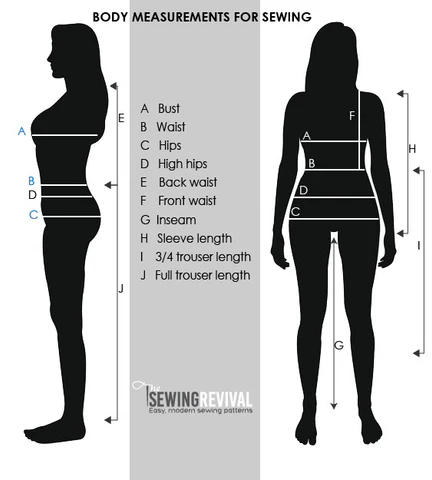
Your core body measurements determine nearly every fit decision. Use a soft measuring tape and stand naturally, without tensing your stomach or lifting your chest.
Waist, Hip & Torso Foundations
Many women confuse natural waist with where trousers sit — they’re not the same. Your natural waist is the narrowest point of your torso, typically just above the belly button. Hips require the fullest part around your seat, not the hip bone.
Tips measuring body correctly:
- Keep the tape level and snug, not tight
- Avoid measuring over bulky clothing
- Use a mirror to check tape alignment
- Breathe normally — no sucking in
These small adjustments dramatically improve clothing accuracy, especially for dresses and denim.
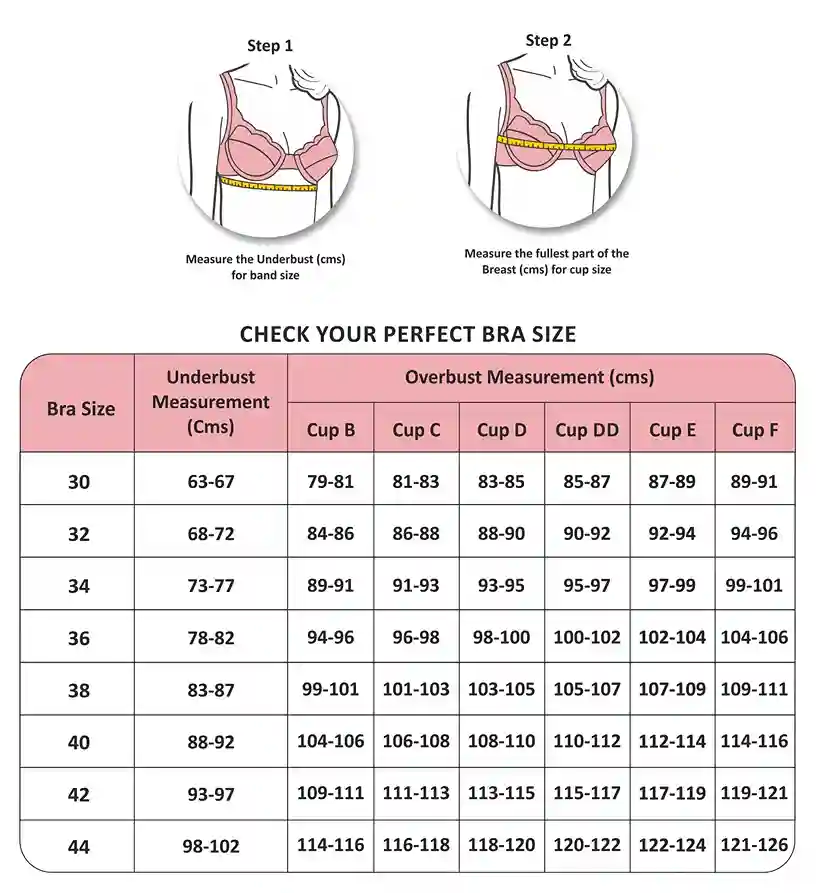
3. Chest Measurement Tips & Bra Fit Clarity
One of the most commonly misunderstood areas of fit is the chest. Incorrect chest or bust measurements create issues like pulling buttons, strained seams, and gaping blouses.
How to measure your chest accurately
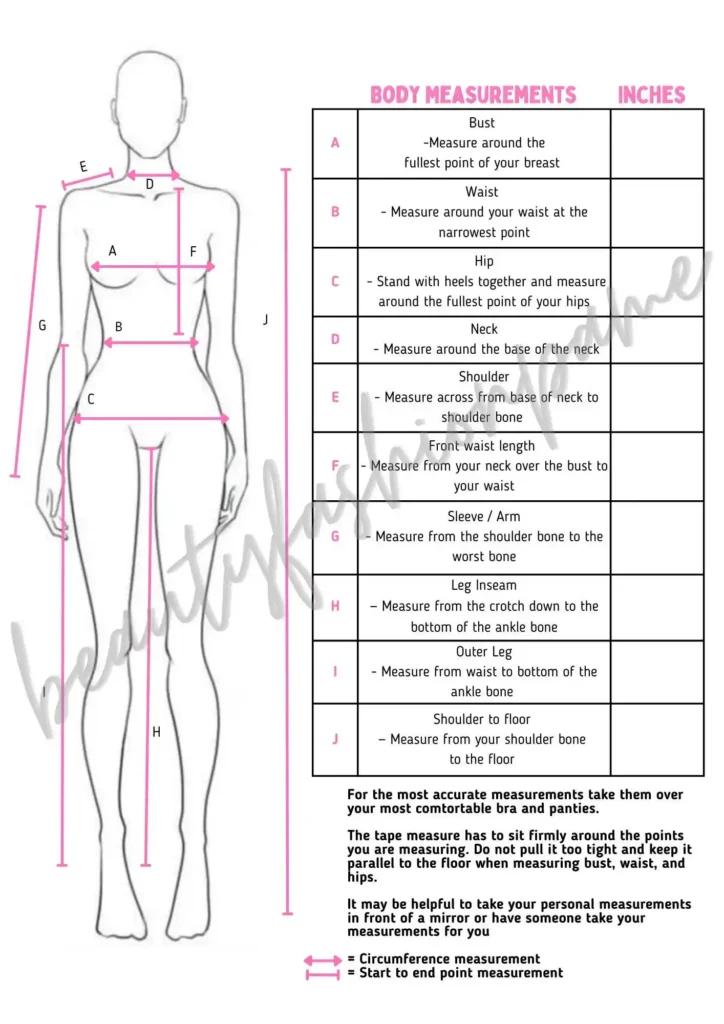
Place the tape around the fullest part of your bust, keeping it parallel to the floor. Relax your shoulders and keep your arms down.
Chest measurement tips that improve accuracy:
- Wear a well-fitting, non-padded bra
- Don’t lift the tape too high on the back
- Take the measurement twice for confirmation
Small mistakes here can shift your entire blouse or dress fit.
4. Blouse Measurement Tips for a Perfect Upper-Body Fit
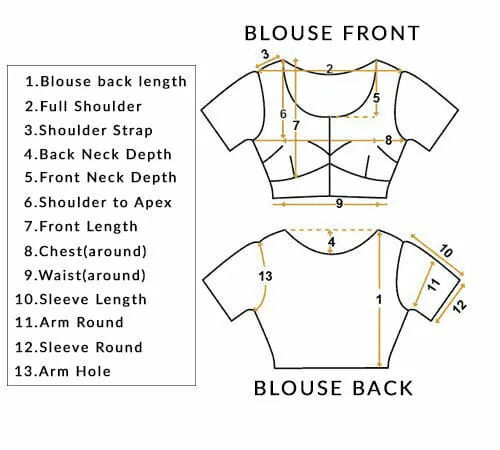
Blouses demand precision—it’s where tiny miscalculations surface immediately. Shoulder width, sleeve length, chest, and waist all influence how polished or tight your blouse appears.
Blouse measurement tips for flawless tailoring
- Measure shoulder to shoulder straight across the back
- For sleeve length, measure from shoulder bone to wrist
- Check armhole depth to avoid tightness when raising arms
- Ensure blouse length complements your torso length
Even one centimetre off can affect drape, ease, and silhouette.
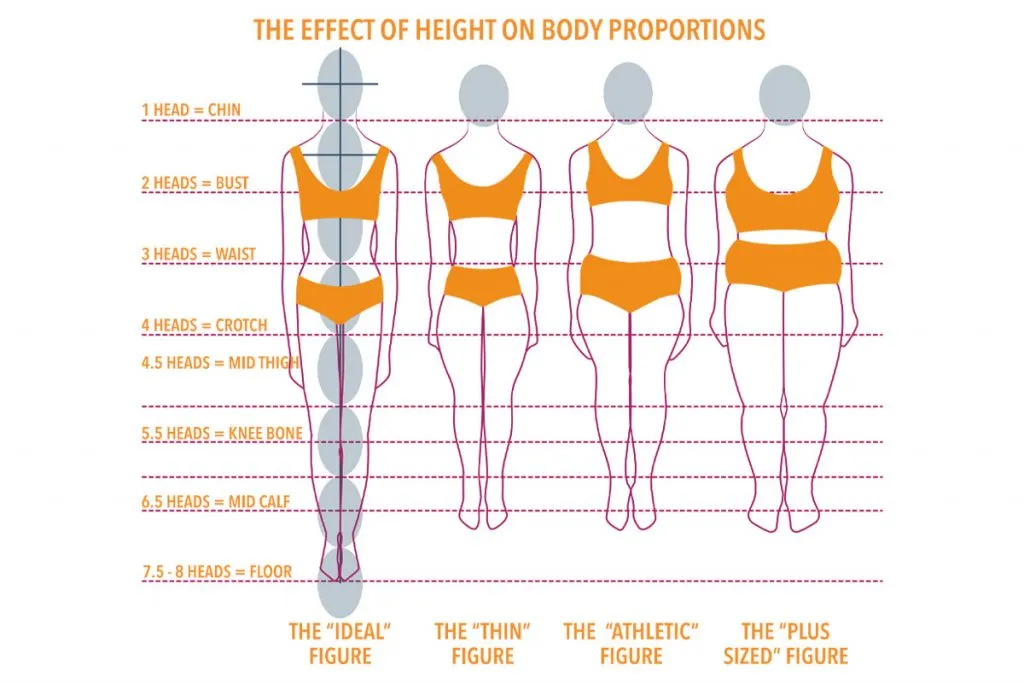
5. Height, Step Length & Overall Proportion
Height isn’t simply a number — it’s a styling tool. Accurate height measurement helps determine hem lengths, dress structure, and where waistlines should sit.
Height measurement tips worth using
- Stand against a flat wall
- Keep heels together
- Use a book to create a right angle on your head
- Mark the wall and measure to floor
Understanding your step length
Knowing step length supports fitness planning, posture awareness, and even skirt movement.
Use these techniques:
- Walk naturally and record heel-to-heel distance
Measure over 10 steps and divide for accuracy
6. Measurement Tips Beyond Fashion: Cooking & Home Projects
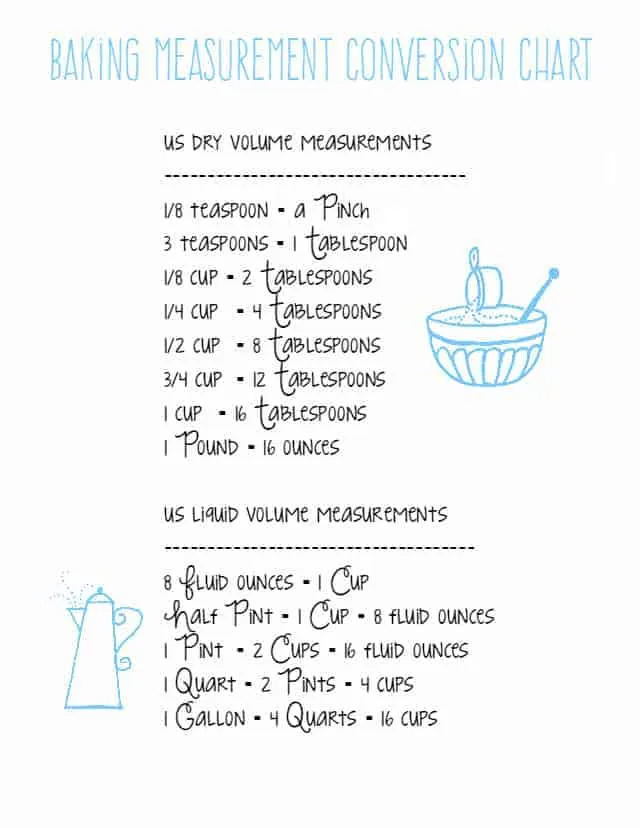
Accurate measuring benefits more than clothing — it strengthens daily routines from baking to home styling.
Measuring tips for cooking & baking
Precision prevents flat cakes, dense bread, and wrong flavour ratios.
Key pointers:
- Spoon flour lightly before leveling
- Use liquid cups for wet ingredients
- Always read eye-level measurements
Light fixtures & décor
Home projects like measuring pendant lights rely on correct distance, drop height, and spacing.
7. Tools, Techniques & Equipment That Make Measuring Easier
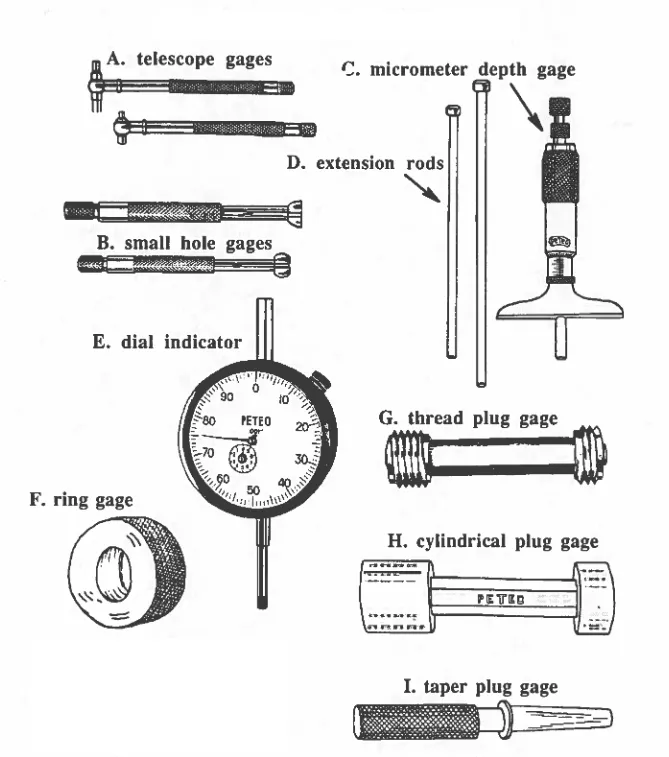
Your tools determine your accuracy. From tailors to dressmakers, the right equipment speeds up the process.
Measurement equipment tips
- Choose a flexible tape with clear markings
- Replace stretched or worn tapes
- Use a ruler for small areas (like cuffs)
- Keep a notepad or digital tracker for measurements
Understanding confusing terms
You also asked:
- Why are Q-tips called Q-tips? (“Q” stands for quality.)
- How long are Q-tips? (Typically around 3 inches.)
While unrelated to fashion, knowing measurement standards is surprisingly useful in many precision tasks.
8. Final Expert Takeaway
Accurate measurement tips form the foundation of every well-dressed woman’s wardrobe. When you know your proportions, clothing begins to serve your shape instead of fighting it. From blouse measurements to chest precision, from step length to height calibration, each detail gives you more control, more comfort, and more confidence.
When fit is right, style becomes effortless — and everything you wear suddenly looks intentional, balanced, and beautifully personalised to your silhouette.
FAQs
1. What are the most important body measurements to take?
Bust, underbust, waist, hips, shoulder width and inseam. These core measurements guide almost every clothing fit decision.
2. How do I avoid common measuring mistakes?
Keep the tape level, don’t pull it tight, measure over light clothing, and stand naturally without sucking in your stomach or lifting your chest.
3. How do I measure my bust correctly?
Place the tape around the fullest part of your bust, keep it parallel to the floor, and wear a supportive (not padded) bra for accuracy.
4. Why do blouses still fit incorrectly even when measurements seem right?
Blouses depend heavily on shoulder width, armhole depth and sleeve length. Even a small mistake in these areas affects drape and movement.
5. How often should I recheck my measurements?
Every 3–6 months or whenever your body changes due to weight shifts, exercise, posture changes or new routines.
6. What’s the easiest way to measure height at home?
Stand against a wall, place a book flat on your head, mark the wall and measure from floor to the mark — simple and accurate.
7. Do small errors really matter?
Yes. Even a 1 cm difference can change how clothing sits, especially around the bust, waist and shoulders.