
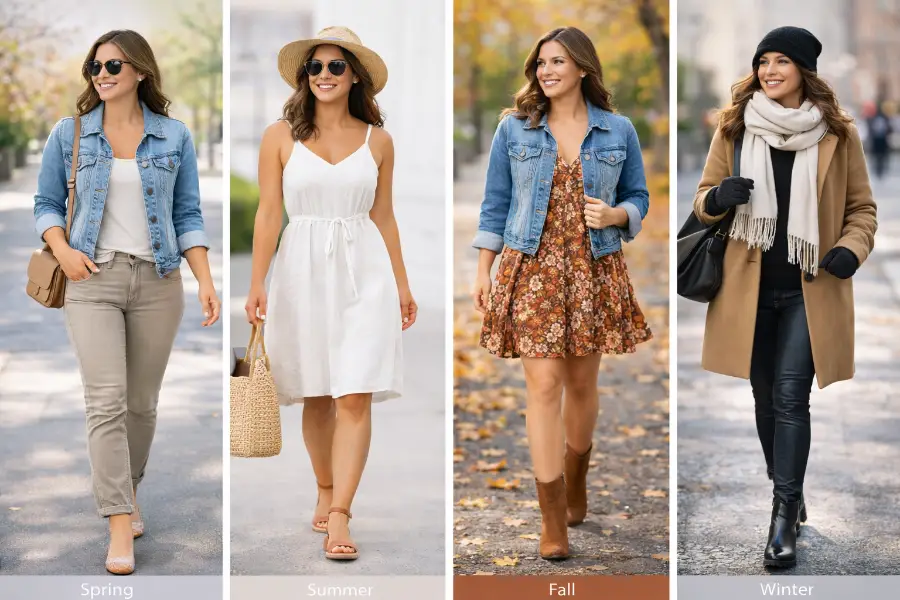
Seasonal Outfit Ideas: Your Ultimate Year-Round Style Guide for Every Temperature
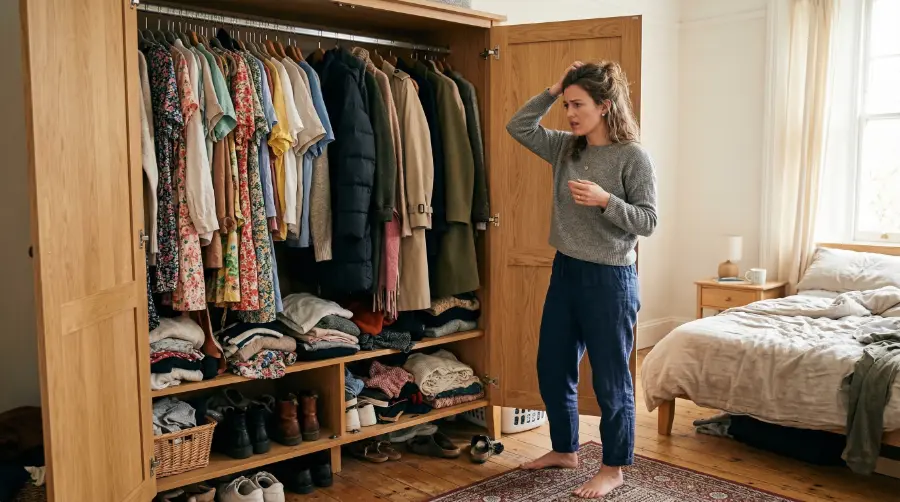
Last September, I stood in my closet at 7 AM staring at summer dresses and winter coats wondering which season I was actually living in. The temperature was 52 degrees at dawn but forecasted to hit 78 by afternoon. I ended up sweating through a cardigan by lunch and freezing in my sundress by dinner. That wardrobe disaster taught me something crucial about seasonal dressing that nobody talks about.
Most style guides tell you to pack away your summer clothes the moment Labor Day passes. They act like seasons flip like light switches. But here’s what three years of tracking my outfits taught me about dressing for actual weather versus calendar seasons. The real trick isn’t owning more clothes. It’s understanding how to bridge temperatures, layer strategically, and make pieces work harder across multiple months.
What Makes Seasonal Outfit Planning Actually Work
Seasonal dressing means adapting your wardrobe to temperature shifts, fabric choices, and color palettes that match the weather outside your door. It goes beyond following fashion week trends or buying entire new wardrobes four times yearly. Smart seasonal dressing involves building a core collection of versatile pieces that transition smoothly while adding key seasonal elements that make outfits feel current.
Women who master this approach spend less money replacing clothes, take less time getting dressed, and always look pulled together regardless of unpredictable weather. You’ll discover how to create a wardrobe system that handles everything from sudden cold snaps to unexpected heat waves. This guide covers practical outfit formulas for spring freshness, summer comfort, autumn coziness, and winter warmth plus the tricky transition periods that trip up most people.
Spring Outfit Ideas: Dressing for Unpredictable Weather
Spring temperatures swing wildly from freezing mornings to warm afternoons. I learned this the hard way during March 2024 when New York went from 38 degrees to 71 degrees in six hours. The secret to spring dressing lies in strategic layering with pieces you can peel off or add back.
Mastering Spring Layers Without Looking Bulky
Start with a fitted base layer like a long-sleeve cotton tee or lightweight turtleneck. Add a mid-layer such as a cardigan or denim jacket that you can tie around your waist later. Finish with a trench coat or bomber jacket as your outer layer. This three-layer system works because each piece is thin enough to pack into a tote bag.
I tested this formula for two weeks straight and never felt uncomfortably hot or cold. The key is choosing breathable natural fabrics like cotton, linen blends, and light wool that regulate temperature better than synthetic materials. Skip heavy knits and thick fleece during spring transitions.

Spring Color Palettes That Feel Fresh Not Forced
Pastels dominate spring fashion advice but here’s what actually works in real life. Soft neutrals like cream, beige, and light gray form your base. Then add pops of color through accessories or one statement piece. Mint green, lavender, and soft pink work beautifully but so do deeper jewel tones mixed with lighter pieces.
My favorite spring combination pairs a cream-colored midi skirt with a rust-colored lightweight sweater and tan ankle boots. The mix feels seasonal without screaming “I bought this specifically for spring.” Real style comes from unexpected combinations that still feel cohesive.
Best Spring Fabric Choices for Comfort
Cotton remains the MVP of spring fabrics because it breathes well and holds up through frequent washing. Linen starts making appearances in late spring though it wrinkles easily. Chambray works perfectly for button-down shirts and lightweight dresses. Avoid thick denim and heavy jersey knits until temperatures stabilize above 60 degrees consistently.
Tencel and modal blends offer silky textures that drape beautifully without adding bulk. I discovered these fabrics last spring and now they make up 40% of my transitional wardrobe. They wash easily, dry quickly, and pack without wrinkling for travel.
Summer Outfit Ideas: Staying Cool While Looking Put Together
Summer dressing seems simple until you’re sweating through clothes by 10 AM or dealing with aggressive air conditioning indoors. The real challenge involves balancing breathability with professional appearance and sun protection.
Lightweight Fabrics That Actually Keep You Cool
Cotton and linen reign supreme for summer but quality matters enormously. A cheap cotton blend will stick to your skin while a good Egyptian or Pima cotton wicks moisture away. I tested eight different cotton shirts last July in 90-degree heat. The winner was a mid-weight Pima cotton that felt cool against skin and didn’t show sweat stains.
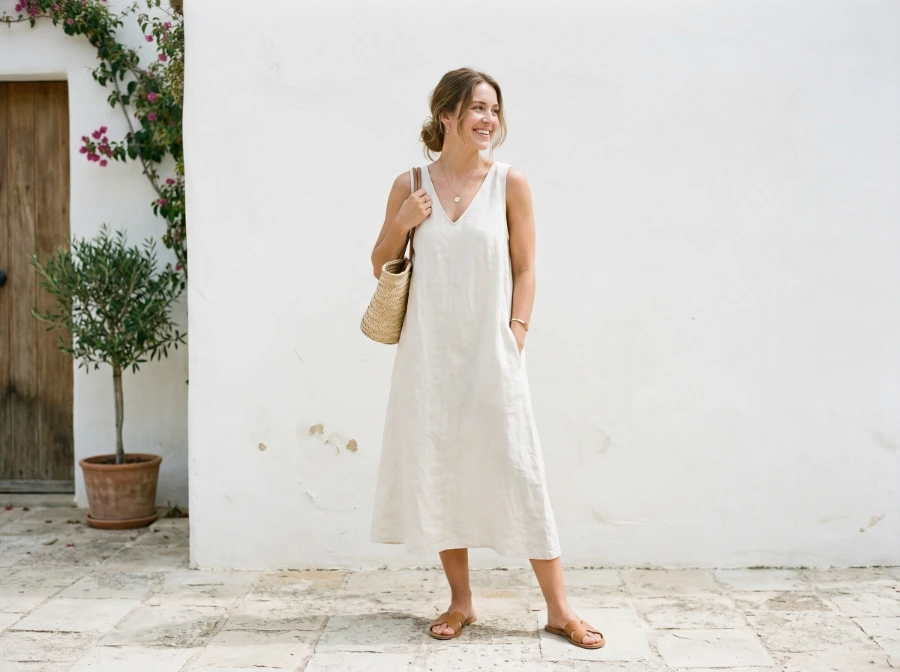
Linen gets recommended constantly but it requires commitment. Yes, it breathes beautifully and keeps you cooler than any other natural fabric. But it wrinkles if you look at it wrong. Choose linen for casual weekend outfits or vacation wear rather than work situations unless your office culture embraces the rumpled look.
Rayon and viscose work surprisingly well for summer dresses and flowing pants. These semi-synthetic fabrics feel silky, drape elegantly, and cost less than pure silk while offering similar temperature regulation. Avoid polyester unless it’s specifically designed as performance fabric with moisture-wicking properties.
Summer Color Strategies Beyond Basic White
Everyone defaults to white, beige, and pastels for summer. These work great but expand your options with bright jewel tones, bold prints, and even darker colors in the right fabrics. I wear a black linen jumpsuit throughout summer and stay cooler than in many light-colored outfits because fabric weight and breathability matter more than color.
Vibrant colors like cobalt blue, emerald green, and coral pop beautifully against summer tans. Tropical prints and floral patterns feel seasonally appropriate without being juvenile. Color blocking with two or three bold hues creates visual interest for simple silhouettes.
Essential Summer Pieces Worth Investing In
A quality maxi dress in a neutral color becomes your summer uniform. Pair it with sandals for day wear, add heels and statement jewelry for evening events. Look for styles with adjustable straps and hidden pockets for maximum versatility. Budget $80-150 for one that lasts multiple seasons.
Linen pants in wide-leg or palazzo styles work for almost every summer occasion. They’re professional enough for work, comfortable for travel, and breezy for weekend activities. I own three pairs in white, navy, and olive green and rotate them constantly from May through September.
A lightweight blazer in cotton or linen solves the aggressive air conditioning problem. Keep one in your car or office for restaurants, movie theaters, and overly chilled workspaces. Choose a relaxed fit that layers over tank tops and t-shirts without adding bulk.
High-waisted shorts in a polished fabric like linen or cotton twill look more sophisticated than basic denim cutoffs. Pair them with tucked-in blouses or fitted tanks for a balanced silhouette. Aim for a 5-7 inch inseam that feels comfortable when sitting.
Fall Outfit Ideas: Layering for Temperature Drops
Autumn dressing splits into early fall and late fall with distinctly different needs. Early fall from September through mid-October often feels like extended summer in many regions. Late fall brings actual cold weather and requires serious layering.
Early Fall Transition Strategy
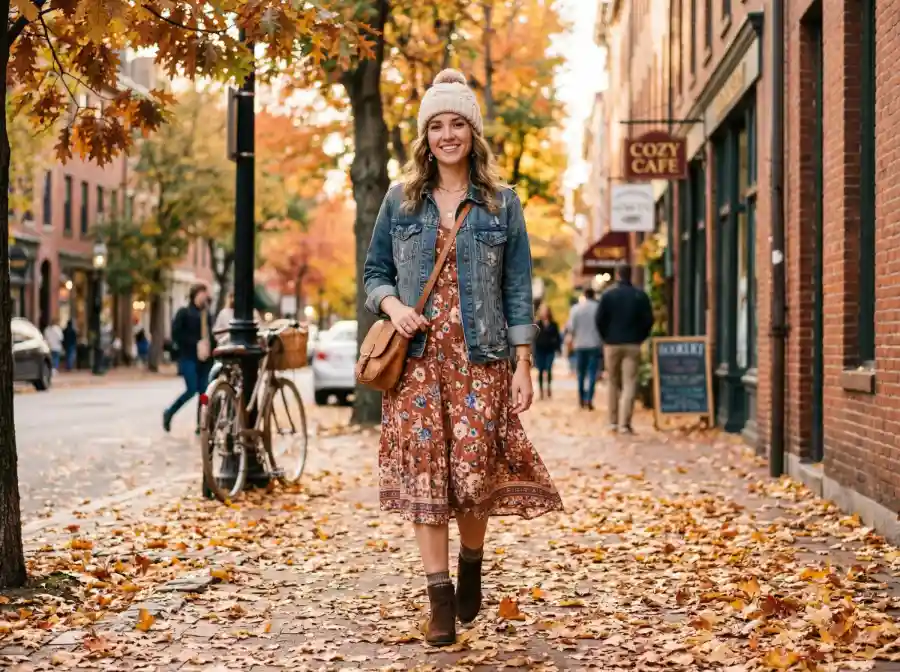
Keep wearing your summer pieces but add autumn color palettes and lightweight layers. A sundress transforms with a denim jacket and ankle boots. White linen pants work perfectly with rust-colored sweaters and loafers. Don’t rush into heavy knits just because the calendar says fall.
I made this mistake for years, forcing myself into sweaters during 75-degree October days because fashion magazines declared it sweater weather. Now I follow actual temperature rather than calendar dates. If it’s above 65 degrees, lightweight fabrics still make sense.
Late Fall Wardrobe Essentials
Once temperatures consistently drop below 55 degrees, bring out your heavier knits, boots, and substantial outerwear. This is when your wardrobe actually needs seasonal transformation rather than minor adjustments.
Chunky knit sweaters in merino wool or cashmere blends become daily uniforms. Look for styles that work alone or layer under coats. Neutral colors like camel, gray, and navy go with everything while jewel tones add seasonal richness.
Knee-high and ankle boots replace sandals and lightweight sneakers. Invest in one quality pair of leather boots with good traction for wet leaves and early snow. I paid $280 for Frye boots in 2021 and they still look great after three fall seasons with proper care.
Structured coats in wool blends provide warmth without bulk. A tailored blazer coat works for mild days while a heavier wool peacoat handles colder temperatures. Trench coats bridge the gap beautifully with removable linings that adapt to changing weather.
Fall Color Psychology That Actually Works
Burnt orange, mustard yellow, burgundy, and forest green feel inherently autumnal. But you don’t need to dress like a fall leaf to look seasonally appropriate. Deep navy, chocolate brown, and charcoal gray work beautifully throughout autumn while offering more versatility than trend-specific colors.
Plaid and check patterns emerge everywhere during fall. Choose one plaid piece like a blazer or scarf rather than going full lumberjack. Mix patterns carefully with solid neutrals to avoid overwhelming your frame.
Winter Outfit Ideas: Staying Warm Without Looking Bulky
Winter dressing challenges even experienced style enthusiasts. The goal involves retaining body heat while maintaining a polished appearance and allowing freedom of movement.
The Winter Layering Formula That Works
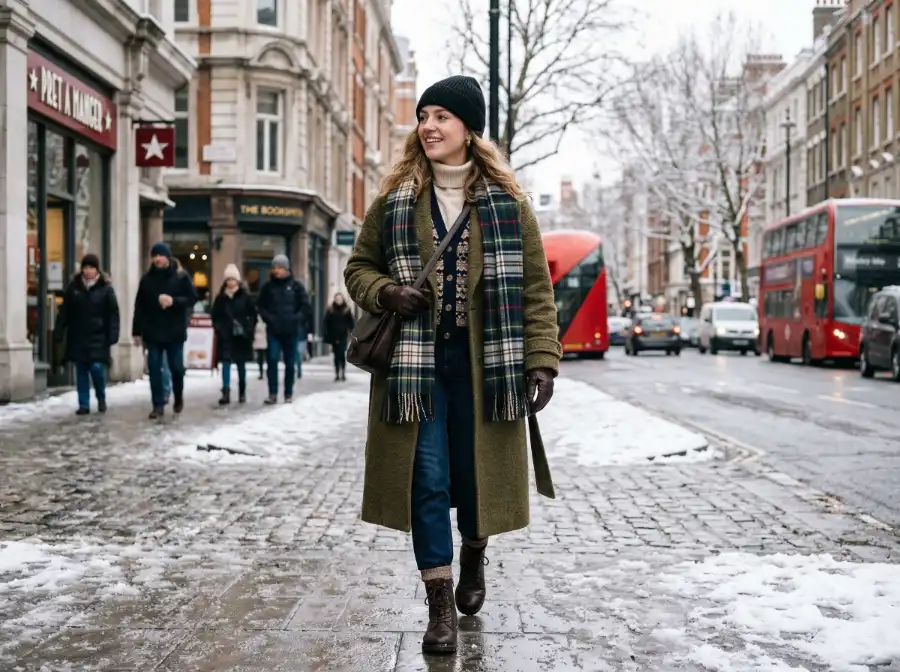
Base layer thermal tops and bottoms create your foundation. Modern thermals come in sleek designs that work under regular clothes without visible lines or bunching. I wear Uniqlo Heattech under everything from December through February.
Middle layers provide insulation through lightweight sweaters, fleece, or down vests. Choose fitted styles that don’t add bulk. A cashmere sweater under a blazer looks professional for work while providing serious warmth.
Outer layers protect from wind and moisture through quality coats, parkas, or wool overcoats. This is where investment matters most. A $400 down parka lasts 8-10 winters with proper care while a $100 version falls apart after two seasons.
Winter Fabrics That Insulate Effectively
Wool and wool blends offer the best warmth-to-weight ratio. Merino wool regulates temperature beautifully, resists odors, and feels soft against skin unlike scratchy traditional wool. I own seven merino sweaters in various weights and wear them constantly.
Cashmere provides luxury warmth but requires careful maintenance. One quality cashmere sweater costs $200-400 but feels incredible and lasts years with proper storage and cleaning. Budget alternatives mix cashmere with other fibers for similar softness at lower prices.
Down and synthetic insulation work for outerwear. Down offers superior warmth and compressibility but costs more and requires special cleaning. Synthetic alternatives like PrimaLoft work when wet and cost less while providing comparable warmth.
Winter Accessories That Transform Outfits
Scarves, hats, and gloves do more than keep you warm. They add color, texture, and personality to winter outfits that often feel monotonous. A bright scarf instantly elevates an all-black outfit. A structured wool fedora looks more sophisticated than a basic beanie.
Invest in quality leather gloves with touchscreen-compatible fingertips. You’ll wear them daily for months so they should fit well and look polished. I paid $85 for Italian leather gloves three years ago and use them constantly.
Knee-high socks worn with midi skirts or under boots add unexpected style while providing warmth. Choose wool or cashmere blends in solid colors or subtle patterns. This trick extends your skirt and dress wearing through winter months.
Transitional Dressing: Mastering In-Between Seasons
The weeks between official seasons cause the most wardrobe stress. Temperatures fluctuate wildly, weather forecasts prove unreliable, and your closet contains clothes for opposite extremes but nothing appropriate for 58 degrees and cloudy.
Building a Transitional Wardrobe Core
Certain pieces work across multiple seasons with minor styling adjustments. These should form the foundation of your year-round wardrobe.
Midi-length skirts in neutral colors pair with everything from tank tops to chunky sweaters. I wear the same black midi skirt with sandals and a silk cami in August then with boots and a turtleneck in November.
Button-down shirts in cotton or chambray layer under sweaters, work alone during moderate temperatures, and look polished year-round. White, navy, and striped versions offer maximum versatility.
Ankle boots with moderate heel heights work from early fall through early spring. Choose leather or suede in neutral colors like black, tan, or cognac that coordinate with most outfits.
Cardigans and blazers provide layering options without bulk. Throw them over dresses, pair them with jeans, or drape them over shoulders for style. Neutral colors in lightweight knits or unstructured styles work best.
The Temperature-Based Dressing Guide
Different temperature ranges require specific approaches regardless of official season. Use this framework rather than relying on calendar dates.
Above 75 degrees: Stick with summer pieces in breathable fabrics. Minimal layers, maximum ventilation.
65-75 degrees: Add one light layer like a cardigan or denim jacket you can remove. Choose fabrics that work for both warmth and cooling.
55-65 degrees: Implement two-layer system with base layer and medium-weight sweater or jacket. Long sleeves and covered legs feel more comfortable.
45-55 degrees: Three layers minimum including substantial outerwear. Boots replace lighter footwear.
Below 45 degrees: Full winter layering with thermals, insulation, and protective outer layers. Add hats, gloves, and scarves.
Accessorizing Through Seasons for Maximum Impact
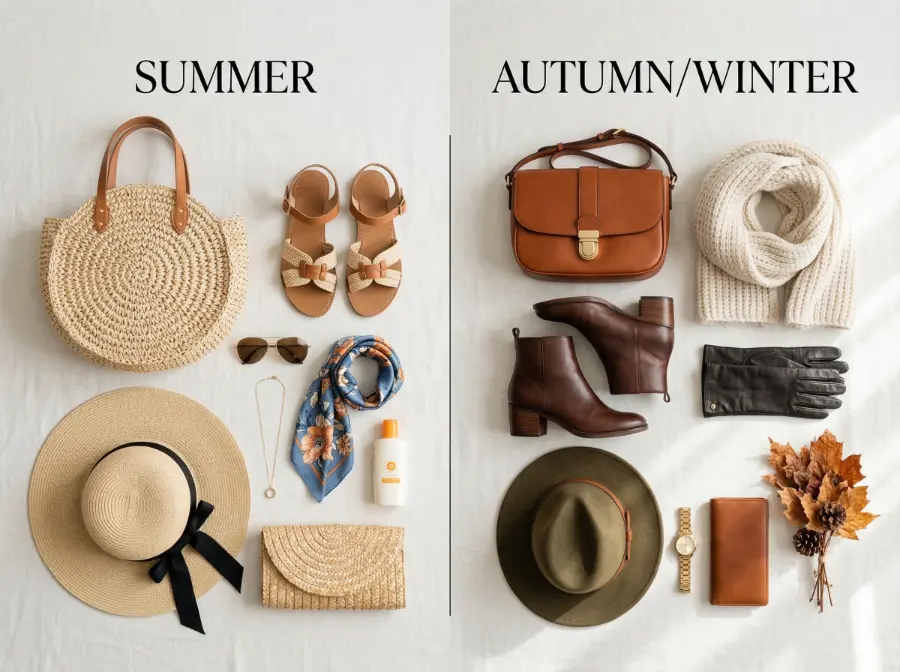
Accessories transform outfits more dramatically than most people realize. The same dress looks completely different with summer sandals and straw bag versus fall booties and leather tote.
Seasonal Bag Rotation Strategy
Canvas totes and straw bags feel inherently summery. Switch to structured leather bags in rich brown, burgundy, or black for fall and winter. Spring calls for lighter leather colors or canvas in brighter hues.
I rotate between five bags throughout the year rather than carrying the same black tote constantly. This simple change makes outfits feel more seasonally appropriate without requiring wardrobe overhauls.
Footwear That Defines Seasons
Sandals in any form signal warm weather. Closed-toe flats, loafers, and sneakers work for transitional months. Boots automatically read as fall or winter regardless of what else you’re wearing.
This explains why boots with summer dresses often look awkward. The seasonal signals clash even when temperatures technically justify the combination. Trust your instincts about what feels seasonally appropriate.
Jewelry Changes You Might Miss
Heavy statement jewelry looks best with winter layers while delicate pieces suit summer simplicity. Gold tones feel warmer for fall and winter. Silver and rose gold work beautifully in spring and summer.
Layer necklaces in winter when you’re wearing solid sweaters. Switch to single statement pieces in summer when necklines vary more. These subtle shifts make outfits feel more cohesive.
Sustainable Seasonal Dressing: Buying Less, Wearing More
Fast fashion encourages buying new seasonal wardrobes four times annually. This approach wastes money, clogs closets, and damages the environment. Smart seasonal dressing requires far fewer pieces worn creatively across months.
The Capsule Wardrobe Approach
Build around 30-40 versatile pieces that mix and match easily. Include items from multiple seasons that layer effectively. This creates hundreds of outfit combinations from a curated collection.
I reduced my wardrobe from 200+ pieces to 50 carefully chosen items in 2023. Getting dressed became faster and outfits looked more cohesive. The key involves choosing quality over quantity and neutral bases with accent pieces for variety.
Cost-Per-Wear Calculation
Divide an item’s cost by the number of times you’ll wear it. A $200 coat worn 100 times costs $2 per wear. A $50 trendy piece worn twice costs $25 per wear. This framework justifies investing in quality basics while avoiding impulse purchases.
I now ask “Will I wear this 30+ times?” before buying anything. This eliminates most trend-driven purchases and focuses my wardrobe on truly useful pieces.
Seasonal Color Analysis for Personal Style
Different people look better in different color palettes. Understanding your undertones helps choose seasonal colors that actually flatter rather than following trends blindly.
Warm Versus Cool Undertones
Warm undertones have golden, peachy, or yellow skin tones. These individuals look best in warm colors like rust, gold, olive green, and warm browns across all seasons.
Cool undertones show pink, red, or blue tones in skin. They shine in cool colors like navy, emerald, burgundy, and true reds throughout the year.
Test your undertone by looking at wrist veins in natural light. Green veins indicate warm undertones. Blue or purple veins suggest cool undertones. If you can’t tell, you likely have neutral undertones and can wear both warm and cool colors.
Adapting Seasonal Trends to Your Coloring
Not every trending color will suit your complexion. Choose seasonal pieces in colors that flatter your undertones rather than blindly following fashion magazines.
When mustard yellow dominated fall 2023, I skipped it entirely because yellow makes my cool-toned skin look sallow. Instead I focused on burgundy and forest green which feel equally autumnal while suiting my coloring better.
Common Seasonal Dressing Mistakes to Avoid
Most wardrobe struggles stem from a few predictable errors. Recognizing these patterns prevents frustration and wasted money.
Forcing Seasonal Changes Too Early
Wearing heavy knits during 70-degree September days because the calendar says fall creates discomfort and awkward styling. Let actual weather dictate your clothes rather than arbitrary dates.
Similarly, packing away winter coats too early leaves you freezing during unexpected April cold snaps. Keep transitional pieces accessible longer than you think necessary.
Neglecting Fabric Weight
Fabric matters more than color or style for seasonal appropriateness. A sundress in thick cotton feels out of place in July while a sweater in lightweight knit works for May evenings.
Pay attention to fabric descriptions when shopping online. Terms like “lightweight,” “midweight,” and “heavyweight” indicate seasonal suitability better than category names.
Ignoring Regional Climate Differences
Fashion advice written for New York doesn’t work in Phoenix or Seattle. Adapt seasonal guidelines to your actual weather patterns rather than following prescriptive rules.
I live in a region with cold winters and hot summers. My seasonal wardrobe splits more dramatically than someone in a moderate climate who might wear similar pieces year-round with minor adjustments.
FAQs About Seasonal Outfit Ideas
How many seasonal wardrobe changes do I really need?
Most women benefit from two major wardrobe swaps annually rather than four. Transition between warm weather clothes (spring/summer) and cold weather clothes (fall/winter) around April and October. Keep transitional pieces accessible year-round. This approach requires less storage space and adapts better to unpredictable weather.
What’s the minimum number of pieces needed for each season?
A functional seasonal wardrobe needs approximately 10-15 pieces per season including tops, bottoms, dresses, and outerwear. Combined with year-round basics like jeans and neutral tops, this creates dozens of outfit combinations. Focus on versatile pieces in neutral colors with a few accent items for variety.
How do I dress for work when seasons change?
Office dressing requires more planning during transitions. Keep a cardigan or blazer at work for temperature fluctuations. Choose closed-toe shoes year-round for professional settings. Stick with season-appropriate fabrics in conservative colors. Save highly seasonal pieces like sundresses and chunky knits for weekends.
Can I wear white after Labor Day?
This outdated rule deserves retirement. White works beautifully in fall and winter when styled appropriately. Choose heavier white fabrics like wool, corduroy, or thick cotton for cold months. Pair white pieces with rich autumn colors and substantial footwear to avoid looking summery.
How do I transition summer dresses into fall?
Layer lightweight summer dresses with turtlenecks or fitted long-sleeve shirts underneath. Add tights and ankle boots with a cardigan or denim jacket. Choose dresses in darker colors or richer fabrics that feel less summery. This extends wear from pieces you already own without buying new items.
What fabrics work for unpredictable spring weather?
Cotton, lightweight wool, and linen blends handle spring temperature swings best. These breathable natural fabrics regulate temperature effectively. Avoid heavy fleece and thick knits until weather stabilizes. Focus on layering multiple thin pieces rather than wearing one thick layer.
Should I follow fashion trends or dress for comfort?
Combine both approaches by choosing trend-inspired pieces in comfortable fabrics and practical styles. Skip trends that don’t suit your lifestyle or body type regardless of popularity. Comfort and confidence matter more than following every passing fad. Select one or two seasonal trends that genuinely appeal to you rather than adopting wholesale changes.
How do I store off-season clothes properly?
Clean all items before storing to prevent stains from setting. Use breathable garment bags or cotton storage bins rather than plastic. Add cedar blocks or lavender sachets to deter moths. Store in cool, dry locations away from direct sunlight. Vacuum-sealed bags save space but can damage delicate fabrics.
What’s the best way to build a year-round wardrobe on a budget?
Start with quality basics in neutral colors that work across seasons. Add seasonal accent pieces gradually rather than buying entire new wardrobes. Shop end-of-season sales for next year’s needs. Focus spending on items worn frequently like coats, boots, and jeans. Choose versatile pieces that serve multiple purposes.
How can I make my winter wardrobe less boring?
Add color through accessories like scarves, hats, and bags rather than buying colored coats. Layer unexpected textures like silk under wool or leather over knits. Choose coats in rich colors beyond basic black. Experiment with different boot styles and heights. Mix dressy and casual pieces for interesting contrasts.
Your Seasonal Style Journey Starts Now
Seasonal dressing stops feeling overwhelming once you understand the core principles. Temperature matters more than calendar dates. Fabric weight determines seasonal appropriateness better than color. Layering versatile pieces beats buying entirely new wardrobes quarterly.
Start by assessing your current wardrobe honestly. Which pieces work across multiple seasons? What gaps prevent smooth transitions? Focus your shopping on filling those specific holes rather than accumulating more clothes.
The most stylish women I know own fewer pieces than you’d expect. They’ve simply mastered the art of strategic seasonal adaptation. You can achieve the same results by implementing the frameworks shared throughout this guide.
What seasonal transition challenges you most? Drop a comment below sharing your biggest wardrobe struggle. I love hearing about real styling problems and offering specific solutions for different situations and climates.