Fabrics&Textures: A Modern Style Guide to the Materials That Define Fashion
When you think about what truly elevates an outfit from ordinary to unforgettable, it isn’t only colour or silhouette — it’s the Fabrics&Textures that shape the garment’s identity. Every weave, fibre, pattern, and surface tells a story about who we are, how we dress, and the mood we want to communicate. In fashion, texture is the quiet luxury that speaks volumes, the detail that catches the light, and the element that gives clothing depth, richness, and personality.
From the regal artistry of jacquard and brocade to current-season textured knits, contemporary pleating, slubbed linens, and high-shine synthetics, today’s fashion landscape offers an expansive world of tactile expression. The way a fabric feels under the fingertips often affects how it moves, photographs, and flatters the body — which is precisely why understanding materials is central to building a stylish, well-curated wardrobe.
This editorial guide explores the most fashionable fabrics and texture, their roles in modern styling, how to mix them, and the patterns that are defining 2024 and beyond. Whether you’re a designer, stylist, fashion student, or simply someone who wants their wardrobe to look more polished and intentional, these insights will help you understand the power that materials bring to style.
Table of Contents
- Understanding Modern Fabrics and Texture
- How Texture Shapes Style and Silhouette
- Key Fashion Fabrics: From Jacquard to Brocade
- Trend-Led Fabric Patterns for 2024
- Popular Texture Types in Clothing
- How to Mix and Match Texture Effortlessly
- The Rise of Performance, Technical, and Sustainable Textiles
- Final Thoughts on the Future of Fabrics
- FAQs About Fabrics and Texture
Understanding Modern Fabrics and Texture
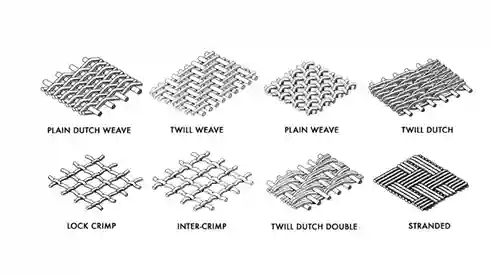
Fabric is the foundation of every garment, but texture is what gives it character. Smooth satin conveys luxury; rough slub cotton feels relaxed; crepe adds movement; velvet radiates opulence. Designers use texture intentionally to evoke emotion, contrast, and dimensionality.
In modern styling, texture do far more than decorate — they influence:
- The drape and silhouette
- The perceived weight of a garment
- How colours appear under natural or artificial light
- How expensive or elevated a piece looks
This is why two black dresses can look entirely different: one made in matte jersey feels casual, while another crafted in structured brocade looks couture.
How Texture Shapes Style and Silhouette
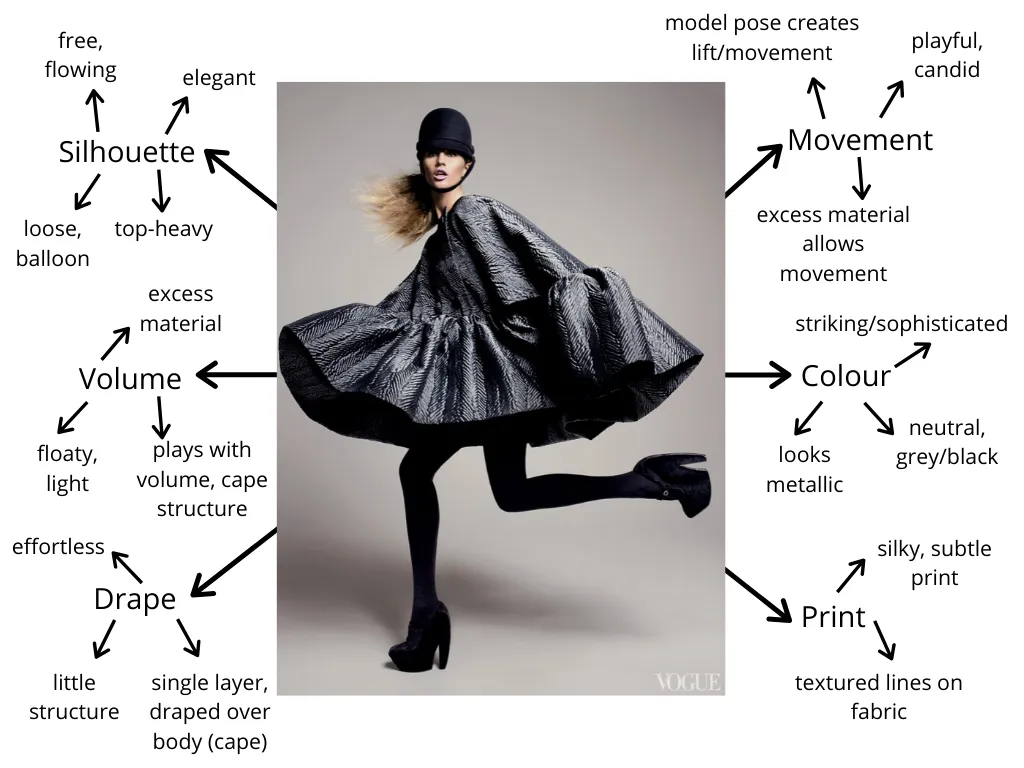
Different texture alter how a garment behaves on the body:
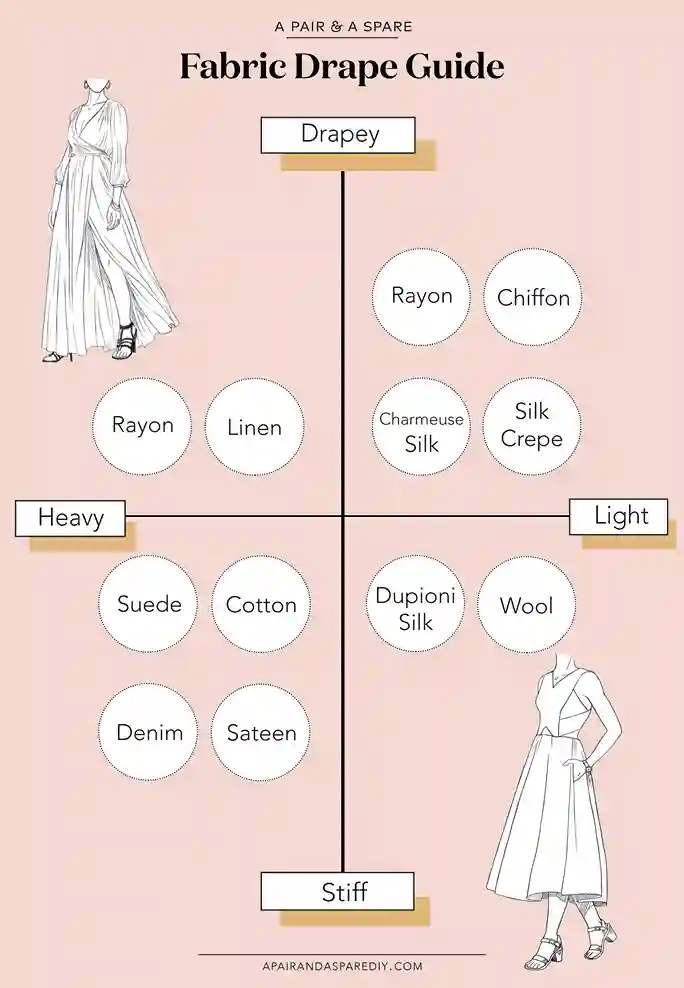
Lightweight, fluid texture
Chiffon, silk, rayon, modal
- Create soft movement
- Ideal for draping and layering
- Flatter romantic, minimal, or ethereal aesthetics
Stiff or structured texture
Taffeta, organza, brocade
- Add architectural lines
- Enhance volume
- Perfect for eveningwear or editorial looks
Dimensional and raised texture
Bouclé, jacquard, ribbed knits
- Provide depth
- Make simple silhouettes feel rich
- Elevate basics
Understanding these characteristics helps you shop smarter, style more creatively, and choose pieces that complement your body type.
Key Fashion Fabrics: From Jacquard to Brocade
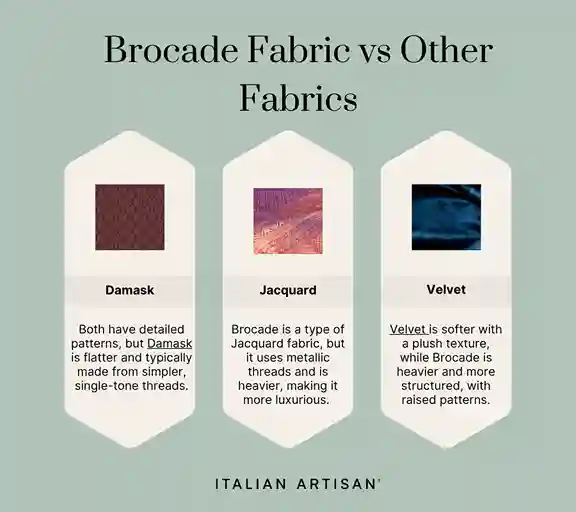
Luxury fabrics like jacquard and brocade continue to anchor the world of high fashion — and for good reason.
Jacquard
A woven texture where patterns are integrated directly into the fabric.
- Known for: intricate designs, raised surfaces
- Used in: statement dresses, structured trousers, tailored jackets
- Character: elegant, artistic, couture-like
Brocade
Similar to jacquard but often features metallic threads and ornate motifs.
- Known for: richness, regal finish
- Used in: bridal wear, occasionwear, cultural garments
- Character: opulent, historic, dramatic
These materials prove that texture isn’t just something you see — it’s something you feel, both visually and emotionally. And in 2024, designers are reimagining these traditional fabrics in fresh silhouettes that feel surprisingly modern.
Trend-Led Fabric Patterns for 2024
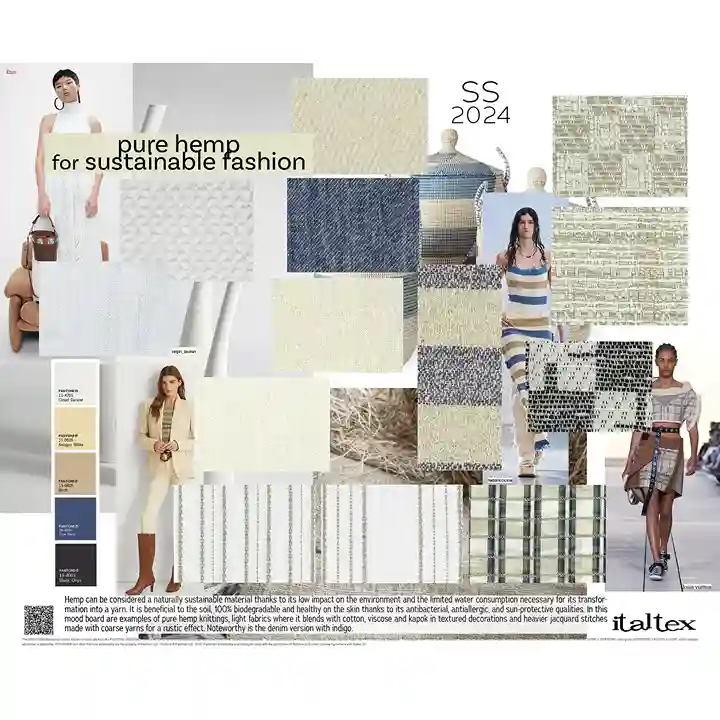
This year’s most fashionable fabrics and texture patterns reveal a shift toward tactile storytelling. Here are the standout trends:
1. Dimensional Floral Jacquards
Softly raised florals that mimic embossed surfaces.
2. Abstract Pleating
Artful, architectural folds seen in skirts, dresses, and outerwear.
3. High-Shine Metallic Brocades
Silver, copper, and molten gold textiles for evening glamour.
4. Textured Knitwear
Cable knits, popcorn texture, ribbed variations — comforting yet elevated.
5. Matte-Sheen Contrasts
Pairing matte surfaces with glossy finishes in one garment.
6. Raw, Natural Texture
Linen blends, slub cotton, and organic wovens that feel artisanal and earthy.
Popular Texture Types in Clothing
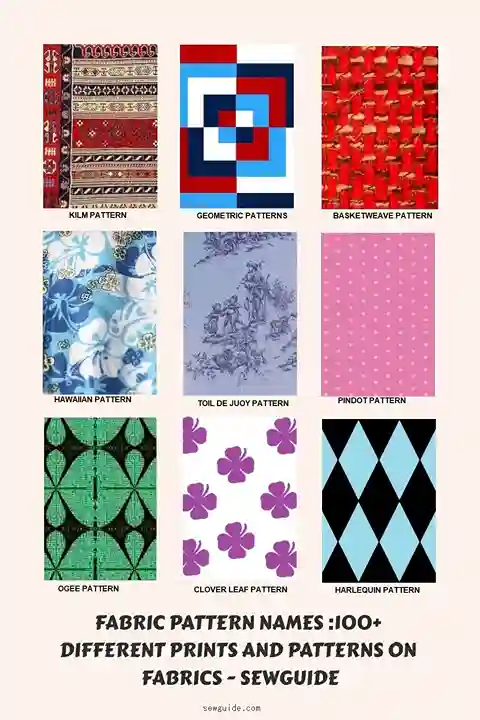
Fashion today embraces a wide range of texture, each offering a distinct mood:
Smooth Texture
Satin, silk, modal
- Clean, elegant, sophisticated
Rough or Natural Texture
Linen, tweed, bouclé
- Earthy, rustic, artisanal
Raised or Patterned Texture
Jacquard, brocade, matelassé
- Rich, decorative, statement-making
Stretch and Rib Texture
Rib-knit, waffle knit
- Casual, comfortable, sporty
Faux Fur & Plush Texture
Sherpa, faux shearling
- Cosy, bold, winter-ready
Each type plays a different role depending on the season, the silhouette, and the wearer’s aesthetic.
How to Mix and Match Texture Effortlessly
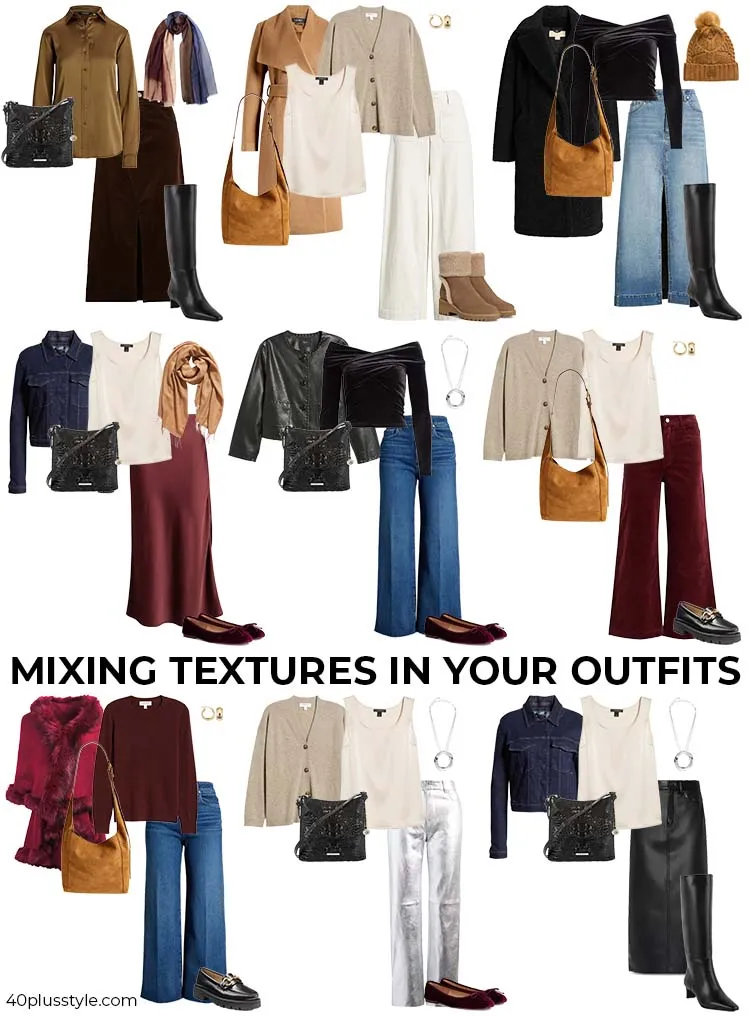
Texture mixing is one of the most stylish ways to elevate your wardrobe, and it doesn’t need to be complicated. Here’s how to do it like an editor:
1. Pair opposites
Smooth satin with chunky knit.
Crisp cotton with soft velvet.
Leather with lace.
Contrast creates visual interest.
2. Use one statement texture
If your skirt is heavily textured, keep your top simpler.
3. Keep colours harmonised
Texture look sophisticated when the colour story is refined.
4. Layer light to heavy
Start with a light base, then build dimension: chiffon → knit → wool → coat.
5. Let accessories play a role
Glossy handbags, brushed metals, and embossed leathers complete a textured look.
The Rise of Performance, Technical, and Sustainable Textiles
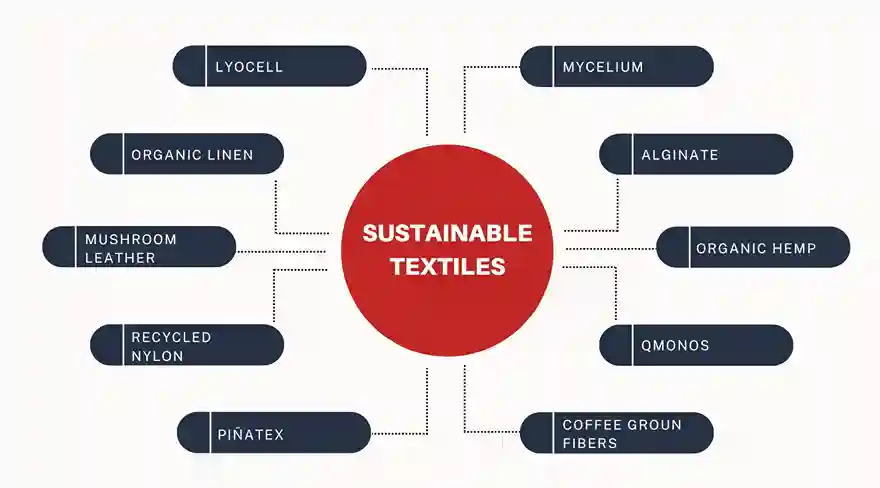
Today’s fashion world isn’t just about aesthetics — it’s equally about innovation and responsibility.
Performance Fabrics
Moisture-wicking, stretch-enhancing, crease-resistant materials.
Technical Texture
Bonded knits, neoprene, reflective surfaces used in streetwear and outerwear.
Sustainable Textiles
Organic cotton, Tencel, recycled polyester, plant-based blends.
Modern consumers want garments that feel good, perform well, and contribute to a more sustainable industry — and today’s fabric innovations deliver exactly that.
Final Thoughts on Fabrics&Texture
The world of Fabrics&Textures is endlessly rich, shaping how garments feel, move, and express style. From the regal depth of brocade to the architectural beauty of pleats, from soft textured knits to the crisp elegance of cotton poplin, texture is the detail that distinguishes a well-dressed woman from the rest. It influences silhouette, elevates basics, and gives every wardrobe a level of refinement that colour alone cannot achieve.
Mastering texture opens the door to more expressive styling — and once you understand how fabrics behave, you’ll shop, dress, and curate your closet with sharper confidence and creative clarity.
FAQs About Fabrics and Texture
1. What are the main types of fabric textures?
Smooth, rough, raised, ribbed, woven, knitted, and plush textures are among the most common.
2. What is the difference between jacquard and brocade?
Jacquard weaves patterns into the fabric; brocade adds metallic threads and often appears more ornate.
3. Which textures are best for everyday wear?
Cotton, modal, rib knits, jersey, and soft wovens offer comfort with easy styling versatility.
4. What textured fabrics are trending in 2024?
Dimensional florals, metallic brocades, sculptural pleats, and textured knits.
5. How do I mix textures without clashing?
Pair opposites, keep colours cohesive, and anchor one statement texture with simpler pieces.
6. What fabrics photograph best?
Silk, satin, taffeta, velvet, and structured jacquards tend to capture light beautifully.
7. What fabrics are best for hot weather?
Linen, cotton voile, viscose, and lightweight knit textures.
8. Are textured fabrics always formal?
Not at all — rib knits, slub cotton, bouclé, and waffle textures are relaxed and wearable.
9. Which textures feel most luxurious?
Velvet, silk satin, brocade, and heavy jacquard offer high-end richness.
10. Are sustainable fabrics textured differently?
Many eco-friendly fibres, like Tencel or organic cotton, offer naturally soft, breathable textures.