Body Type Calculator Find Your Real Shape and Dress Better Because of It
Body Type Calculator
Enter your measurements to discover your body shape.
Three years ago, I stood in a fitting room holding three dresses in the same size. One clung in the wrong places. One hung like a curtain. One almost worked, but not enough to justify the price. I remember thinking the problem was my body.
It wasn’t.
The problem was that I did not understand my body type.
That moment changed how I shop, how I dress, and how I help other women think about style. A body type calculator is not about labels. It is about clarity. When you know your proportions, outfits stop feeling like guesswork.
In this guide, I will show you how body type calculators actually work, which ones are helpful, which ones fail, and how to use the results to dress with confidence instead of frustration.
What Is a Body Type Calculator and Why It Matters
A body type calculator uses your measurements to identify your natural proportions. It compares areas like shoulders, bust, waist, and hips to determine your dominant shape.
Here is what nobody tells you. Most style problems are proportion problems, not size problems.
When you dress against your proportions, clothes fight your body. When you dress with them, everything feels easier.
A good calculator helps you:
- Understand why certain outfits never work
- Stop copying looks that are wrong for your shape
- Build a wardrobe that feels intentional
- Save money by avoiding bad purchases
I used to ignore calculators because they felt clinical. Then I tested several while researching for Shape B Style, and my opinion changed.
How Body Type Calculators Actually Work
Most calculators follow the same logic, even if they look different.
They compare:
- Shoulder width
- Bust measurement
- Waist measurement
- Hip measurement
- Sometimes height and weight for context
The calculator looks at ratios, not just numbers. That part matters.
For example, two women can both have 100 cm hips. One may be pear-shaped. The other may be hourglass. The difference is how those hips relate to shoulders and waist.
This is why guessing your body type by looking in the mirror often fails.
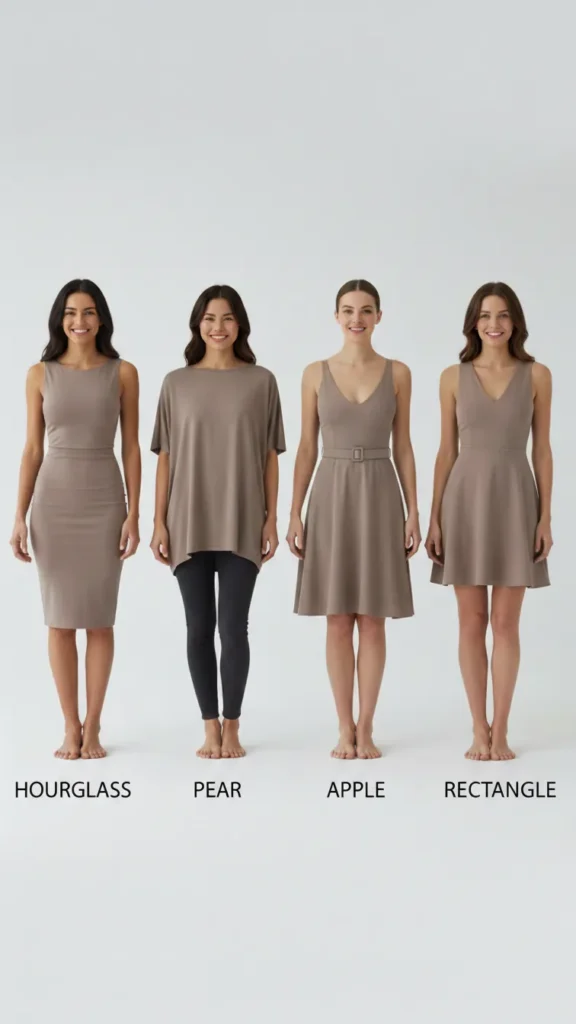
The Five Main Female Body Types Explained Simply
Before you use any calculator, you should understand the outcomes.
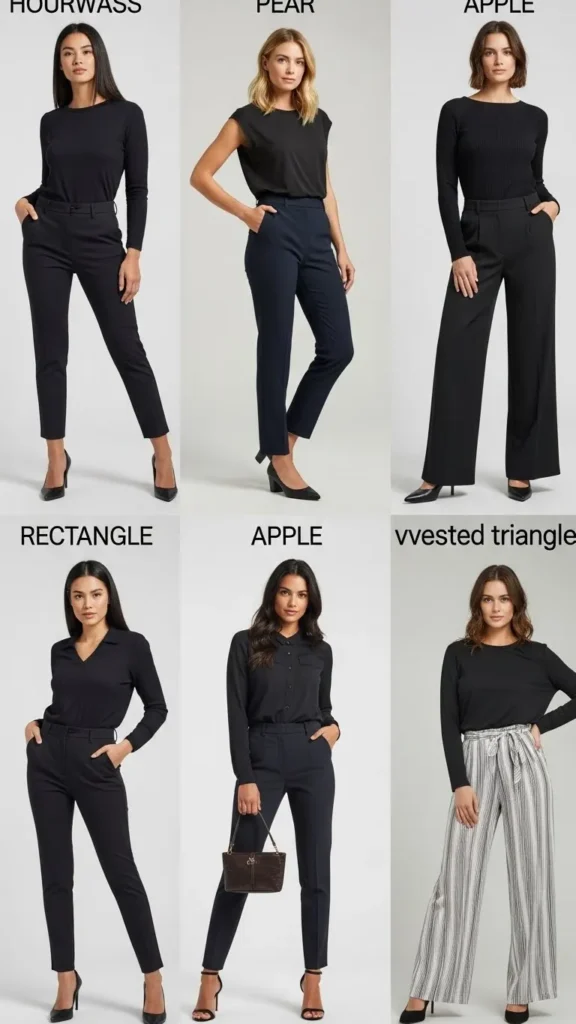
Hourglass
Bust and hips are similar. Waist is clearly smaller.
This shape often gets praised, but it still comes with fit challenges. Waist gaps are common. Structured pieces work best.
Pear or Triangle
Hips are wider than shoulders and bust.
Many women with this shape try to hide their lower body. That is a mistake. Balance is the goal.
Apple
Waist is the widest point. Weight is carried around the midsection.
This shape benefits from structure and vertical lines, not oversized clothing.
Rectangle
Bust, waist, and hips are similar.
This shape can wear clean lines beautifully but needs intention to avoid looking flat.
Inverted Triangle
Shoulders are broader than hips.
The goal is to soften the upper body and build presence below.
If a calculator gives you one of these, it is not limiting you. It is giving you a starting point.
My Experience Testing Popular Body Type Calculators
I tested over ten tools while building content for Shape B Style.
Calculator.net has one of the most referenced body type calculators. It is accurate but very clinical. No styling help.
Omni Calculator gives clear results but lacks context.
Healthline explains shapes well but does not calculate them.
After testing, I built our own calculator for Shape B Style because I wanted:
- Clear results
- Fashion-focused logic
- No body shaming language
One failure I made early was relying too much on weight. Weight is not a reliable indicator of shape. Two women with the same weight can have opposite proportions.
That lesson shaped our calculator logic.
How to Measure Yourself Correctly at Home
Most wrong results come from wrong measurements.
Here is the method I use and recommend.
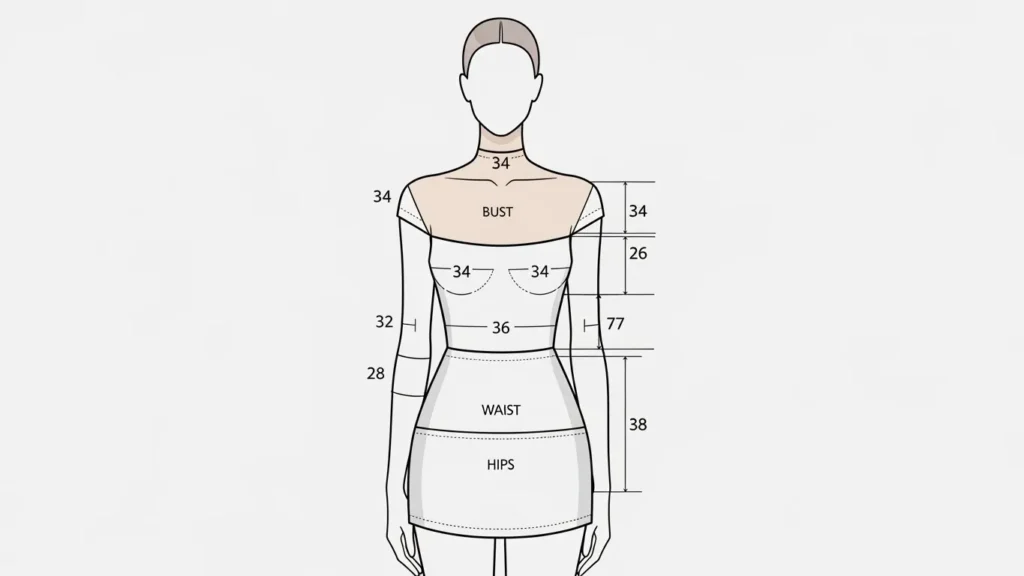
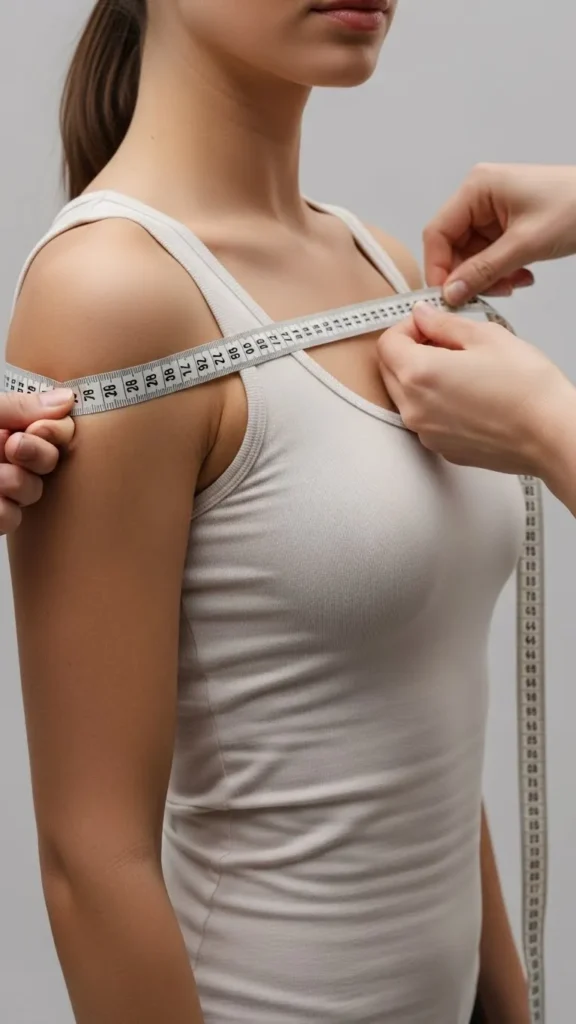
- Shoulders: Measure across the widest point, not arm joints
- Bust: Measure at the fullest point, relaxed posture
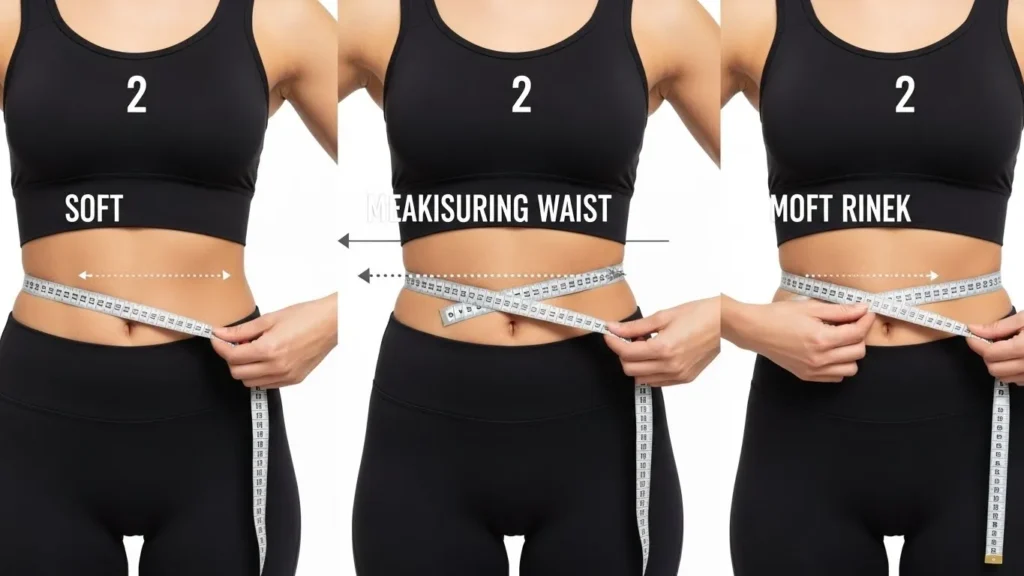
- Waist: Natural waist, not where jeans sit
- Hips: Widest point, usually across seat
- Height and weight: Optional, for context only
Use a soft tape. Stand straight. Do not pull tight.
I once measured my waist too low and got a rectangle result. Correcting it changed my shape to hourglass. Accuracy matters.

Case Study 1: Why Emily Stopped Wasting Money
Emily emailed me last year. She said she owned clothes she loved but never wore.
We used a calculator. She assumed she was apple shaped. The result was pear.
Once she adjusted her outfits by balancing shoulders and hips, her existing wardrobe started working.
She did not buy new clothes for three months. That alone told me the calculator did its job.
Case Study 2: My Own Styling Mistake With Rectangle Dressing
I am naturally rectangle shaped. For years, I followed advice meant for hourglass bodies.
The result was frustration.
When I stopped trying to create curves and started focusing on clean lines, everything changed. Tailored trousers, structured blazers, and intentional layering became my staples.
This is why I dislike one-size-fits-all fashion advice.
Using Your Body Type Calculator Result the Right Way
Your result is not a rulebook. It is a framework.
Once you know your shape, use it to:
- Choose silhouettes that balance you
- Decide where structure matters
- Understand why some trends fail on you
For example:
- Pear shapes benefit from shoulder detail
- Apples need waist-skimming shapes, not cinching
- Rectangles shine in tailored minimalism
On Shape B Style, I recommend starting with:
- Hourglass outfit guides
- Pear body outfit balance tips
- Apple shape layering ideas
- Rectangle minimal wardrobe plans
- Inverted triangle styling basics
These internal guides help apply the result.
Tools and Brands I Actually Trust
Here are tools I have tested and still reference.
- Calculator.net for raw logic
- Omni Calculator for cross-checking
- Pinterest body shape boards for visual learning
- Canva for outfit planning visuals
- Tailor measuring tapes from Amazon Basics
- Zara fitting guides for real-world size insight
- Uniqlo cut guides for rectangle shapes
- ASOS body fit filters
No tool is perfect. Use calculators as guidance, not gospel.
Common Myths About Body Type Calculators
Myth 1: Your body type changes with weight
Your proportions stay mostly the same.
Myth 2: One body type is better
Fashion works best when balanced, not when idealized.
Myth 3: You can only have one shape
Some women sit between shapes. That is normal.
Case Study 3: Why Pinterest Inspiration Was Failing Sarah
Sarah saved hundreds of pins. None worked on her.
The issue was simple. She followed hourglass creators while being inverted triangle shaped.
Once she filtered inspiration by body type, her success rate jumped.
Pinterest is powerful, but only if you filter it correctly.

Should You Trust Online Calculators Completely
Here is my honest take.
Trust the pattern, not the label.
If multiple tools give similar results, you are on the right track. If one result feels off, remeasure and reassess.
I always tell readers to test outfits, not just trust results.
Body Type Calculators and AI Fashion Tools
AI styling tools are improving. Some now integrate body type data with outfit suggestions.
The future of fashion is not trend prediction. It is personalization.
I expect calculators to evolve into full wardrobe systems within the next two years.
Frequently Asked Questions About Body Type Calculators
Are body type calculators accurate
They are accurate when measurements are correct and logic is proportion-based.
Can I be two body types
Yes. Some people fall between shapes.
Do body types change after pregnancy
Proportions can shift slightly, but core structure remains.
Should petite women use different calculators
No. Height is context, not shape.
Are body types linked to health
No. Body type is about proportions, not wellness.
Why do different calculators give different results
They use different thresholds.
Can men use body type calculators
Yes, but the logic differs.
How often should I remeasure
Once or twice a year is enough.
Is weight important
Only for context, not classification.
Can clothing brands adjust for body types
Some do. Most still design for averages.
Final Thoughts: Use the Calculator, Then Trust Yourself
A body type calculator should make style easier, not restrictive.
When I stopped fighting my shape and started understanding it, fashion became enjoyable again. That is what I want for you.
Use the calculator. Learn the logic. Then experiment.
If you want help applying your result, explore the body type outfit guides on Shape B Style and start building a wardrobe that finally feels like yours.
What body type result surprised you the most, and why?
I would love to hear your experience.