Budget Stylling Tips: How to Look Expensive Without Overspending
Table of Contents
- Why Budget Styling Is a Skill (Not a Limitation)
- Rethinking Price vs. Style Value
- Building a High-Impact Budget Wardrobe
- Fabrics, Fits & Finishes That Look Expensive
- Smart Outfit Formulas That Always Work
- Accessories That Elevate on a Budget
- Shopping Strategies Stylish Women Actually Use
- Final Thoughts: Confident Style, Not Costly Clothes
- FAQs About Budget Stylling
Why Budget Stylling Is a Skill (Not a Limitation)
Looking stylish has never been about how much you spend—it’s about how you spend. The most polished women you see on Pinterest, Instagram, or the street are rarely wearing head-to-toe designer. They’re using Budget Stylling Tips that prioritise fit, proportion, and smart choices over price tags.
Budget styling isn’t about cutting corners; it’s about editing with intention. It’s knowing when to invest, when to save, and how to make affordable pieces work harder in your wardrobe. When done well, budget styling looks confident, elevated, and effortless—never “cheap.”
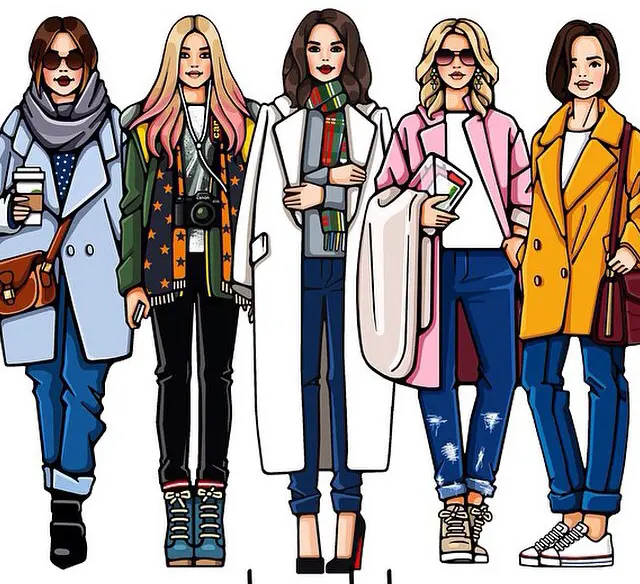
The good news? Stylish dressing on a budget is a learnable skill. Once you understand the rules, you can build outfits that feel premium, timeless, and personal—without overspending.
Rethinking Price vs. Style Value
One of the biggest mindset shifts in budget styling is separating cost from value. Expensive doesn’t always mean better, and affordable doesn’t automatically mean poor quality.
What actually adds value
- Flattering fit
- Clean silhouettes
- Neutral or intentional colour palettes
- Fabric that holds its shape
- Styling that feels cohesive
A £25 blazer that fits beautifully will always look better than a £250 one that pulls, gaps, or overwhelms your frame. Style lives in proportion, not price.
Building a High-Impact Budget Wardrobe
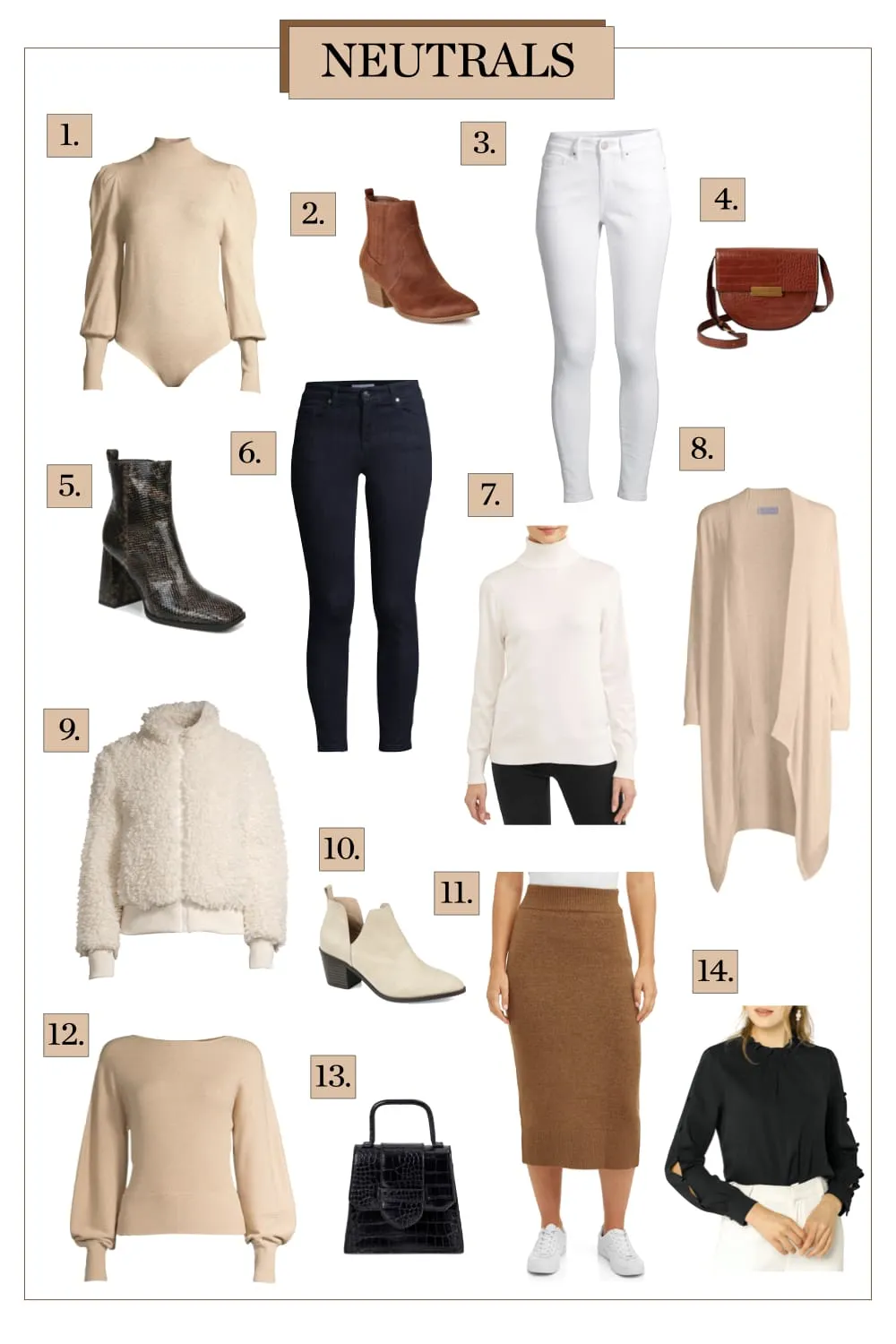
A strong budget wardrobe starts with versatile foundations. These are pieces you can remix endlessly across casual, work, and seasonal outfits.
Budget-friendly wardrobe essentials
- A crisp white or neutral tee
- Straight-leg or tailored denim
- A simple knit (crew or V-neck)
- A structured blazer or jacket
- Neutral trousers or a midi skirt
- Comfortable, clean shoes
Why this works
When your base pieces are simple and neutral, you can:
- Repeat outfits without them looking repetitive
- Add interest through accessories
- Transition looks from day to night easily
Budget wardrobes thrive on versatility, not volume.
Fabrics, Fits & Finishes That Look Expensive
If you want affordable clothes to look polished, these details matter more than brand names.
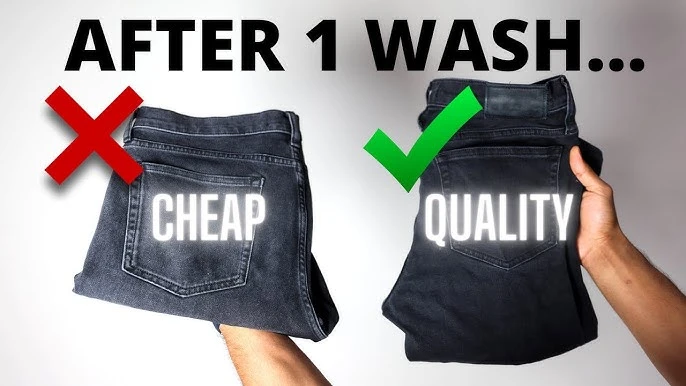
Choose fabrics wisely
Look for:
- Cotton blends with structure
- Viscose or Tencel for drape
- Ponte knit for trousers
- Satin-finish polyester (not shiny)
Avoid overly thin, clingy, or shiny fabrics—they tend to reveal wear quickly.
Prioritise fit
- Shoulder seams should sit correctly
- Waistlines should align with your natural waist
- Trousers should skim, not pull
Simple tailoring (hemming trousers, taking in the waist) is one of the smartest budget styling investments you can make.
Check the finishing
Buttons, zips, seams, and lining tell you everything. Clean finishes instantly elevate affordable pieces.
Smart Outfit Formulas That Always Work
Budget styling becomes effortless when you rely on outfit formulas rather than random combinations.
The Elevated Basic
Neutral tee + straight denim + blazer + clean shoes
Simple, repeatable, and always chic.
The Monochrome Look
One colour head-to-toe (beige, grey, black, navy)
Monochrome outfits automatically look more expensive.
The Soft-Structure Balance
Relaxed knit + tailored trousers + minimal jewellery
Comfort meets polish—perfect for everyday wear.
The Layered Neutral
Base outfit in neutrals + one outer layer
Layers add depth without needing extra pieces.
These formulas reduce decision fatigue and maximise what you already own.
Accessories That Elevate on a Budget
Accessories are where budget styling truly shines. A few well-chosen pieces can transform the same outfit dozens of times.
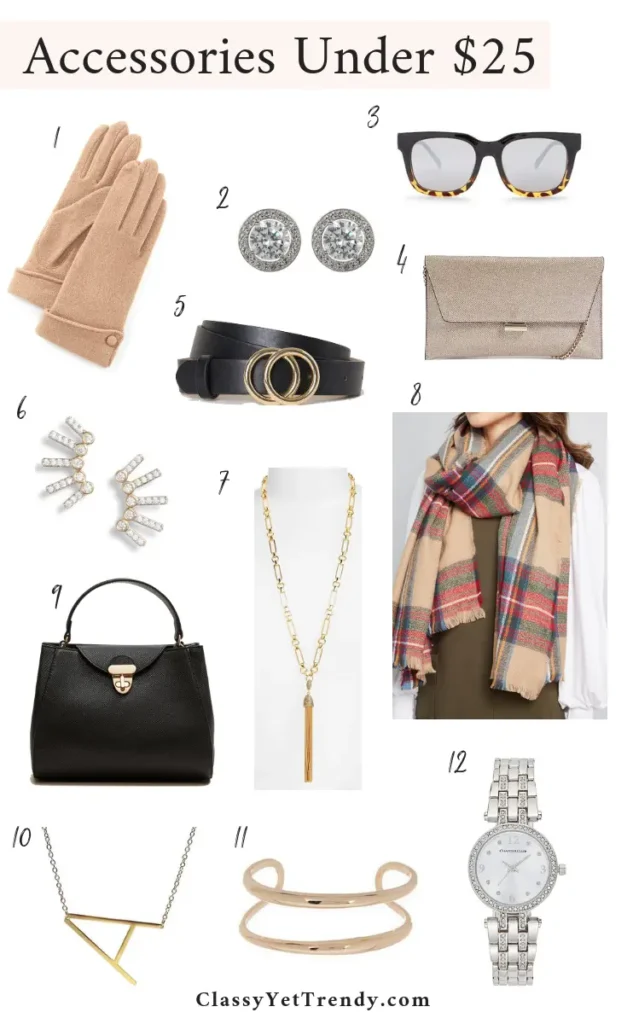
High-impact, low-cost accessories
- Minimal gold or silver hoops
- A structured handbag
- A clean belt
- Sunglasses with simple frames
- A soft scarf for layering
Accessories add intention. Even the most affordable outfit looks styled when accessories are deliberate.
Shopping Strategies Stylish Women Actually Use
Budget styling isn’t about buying less—it’s about buying smarter.
Shop with purpose
- Go in with a list
- Avoid impulse trend buys
- Ask: “Can I style this at least three ways?”
Focus on cost-per-wear
A slightly higher-priced item you wear weekly is cheaper long-term than a bargain you never reach for.
Use seasons strategically
- Buy coats and knits at end-of-season sales
- Shop basics year-round
- Refresh accessories when trends change
Revisit what already works
If a brand, cut, or fabric fits you well—stick with it. Consistency saves money and time.
Final Thoughts: Confident Style, Not Costly Clothes
True style has nothing to do with overspending and everything to do with intention. Budget Stylling Tips empower you to shop smarter, dress with confidence, and build outfits that feel polished without financial pressure.
When you focus on fit, fabric, neutral foundations, and thoughtful accessories, your wardrobe works harder for you. Budget styling isn’t restrictive—it’s freeing. It allows you to express personal style, stay confident, and look effortlessly put together every single day, no matter the price tag.
FAQs About Budget Stylling
1. Can budget outfits really look expensive?
Yes. Clean silhouettes, good fit, neutral colours, and thoughtful accessories make affordable outfits look polished and high-end.
2. What should I invest in when styling on a budget?
Shoes, outerwear, and a well-fitting blazer are worth prioritising. These pieces anchor outfits and elevate everything else.
3. How do I avoid buying clothes I don’t wear?
Stick to a colour palette, buy pieces that work with at least three outfits, and avoid trends that don’t suit your lifestyle.
4. Is tailoring worth it for budget clothes?
Absolutely. Small alterations can make inexpensive items look custom-made and significantly extend their wearability.
5. What’s the biggest budget styling mistake?
Buying too many trend-driven pieces instead of building strong basics. Trends fade, but good foundations last.