Petite Picks: Flattering Fashion Finds Designed to Fit (Not Overwhelm)
Table of Contents
- Why Petite Shopping Feels So Frustrating
- What “Petite” Really Means in Fashion
- How to Identify Pieces That Truly Work for Petite Frames
- The Best Clothing Categories for Petite Proportions
- Styling Tricks That Make Petite Outfits Look Effortless
- Building a Petite-Friendly Wardrobe That Lasts
- Shopping Smarter as a Petite Woman
- Final Thoughts: Dressing Petite with Confidence
- FAQs About Petite Fashion
Why Petite Shopping Feels So Frustrating (Petite Picks)
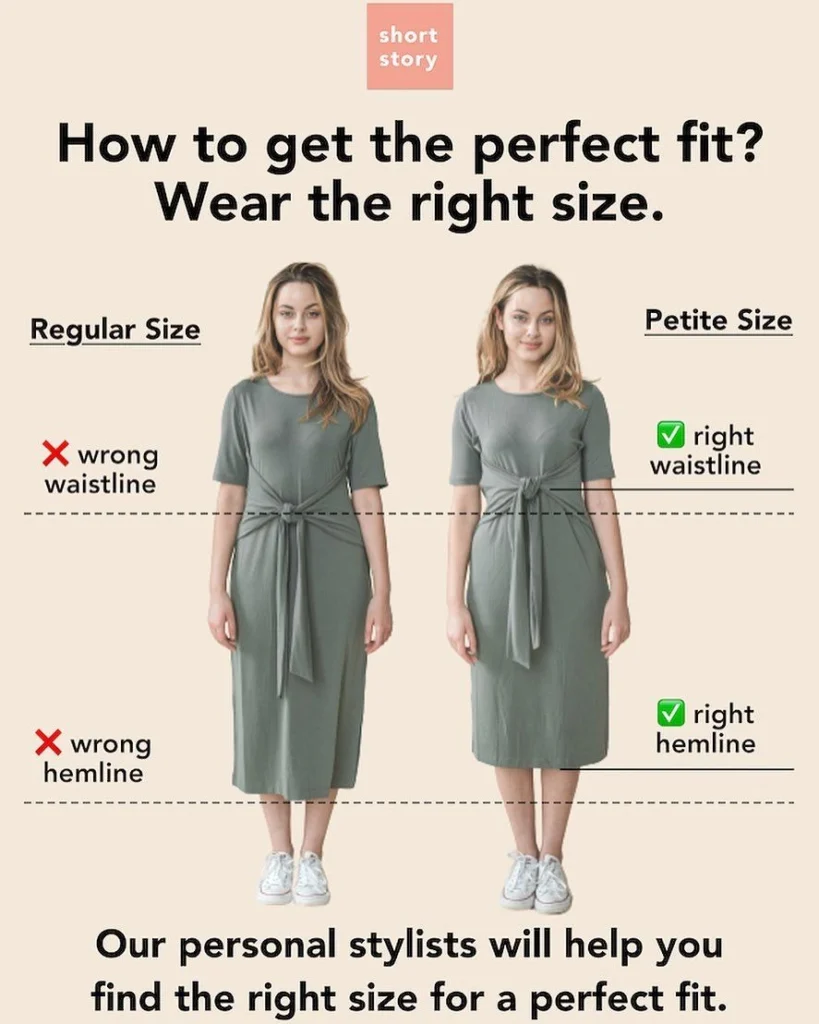
If you’re petite, you already know the struggle: trousers that puddle at the ankles, blazers that overwhelm your frame, dresses that hit at the wrong length. The issue isn’t your body—it’s proportion. Most clothing is designed on taller fit models, which means petite women are often left adjusting, tailoring, or settling.
That’s where Petite Picks come in. Shopping with petite proportions in mind completely changes the experience. Clothes sit where they’re meant to, outfits look intentional, and your wardrobe finally works with your height rather than against it.
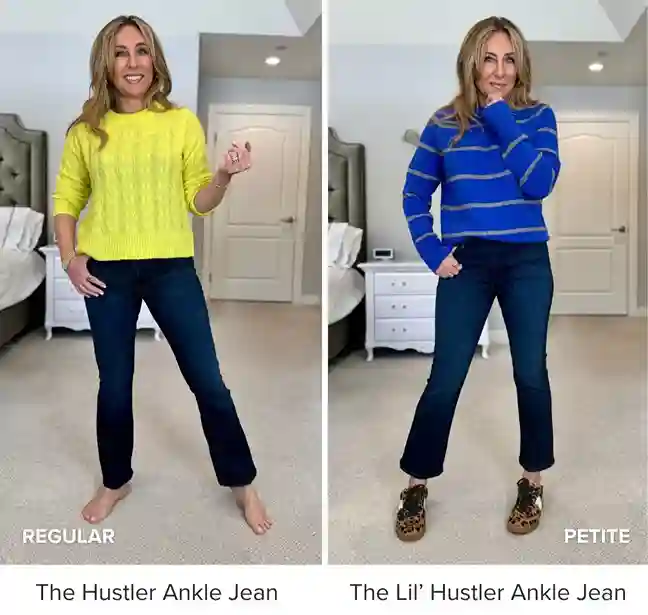
Petite dressing isn’t about limiting your style. It’s about choosing pieces that enhance your natural proportions, create visual length, and make getting dressed feel effortless instead of exhausting.
What “Petite” Really Means in Fashion
Petite doesn’t automatically mean “very small” or “thin.” In fashion, petite generally refers to women 5’4” (163 cm) and under, regardless of size.
What makes petite sizing different
- Shorter inseams and sleeve lengths
- Higher knee and waist placement
- Adjusted rise in trousers
- Scaled-down proportions throughout the garment
This is why petite-specific pieces often look instantly better—even before styling. They’re designed to fit your frame, not just shortened as an afterthought.
How to Identify Pieces That Truly Work for Petite Frames
Not everything needs to come from a petite section. The key is knowing what design details flatter a shorter vertical line.
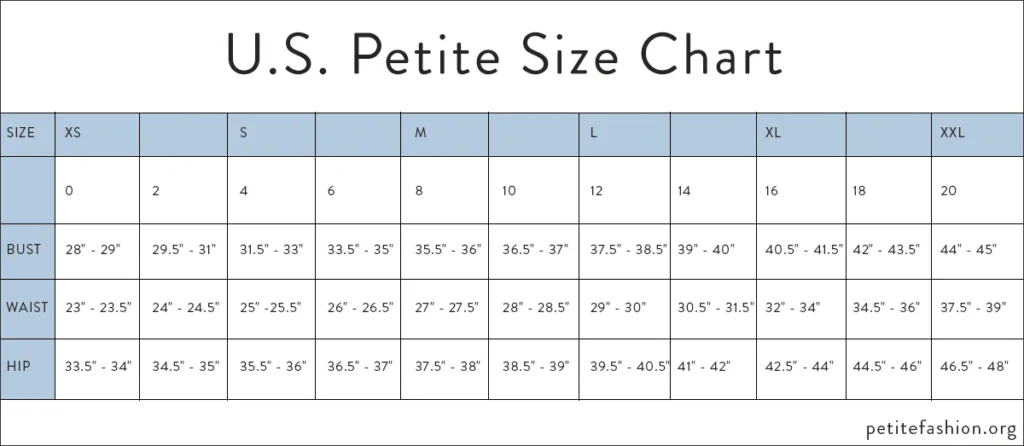
Look for these petite-friendly features
- Cropped or ankle-length trousers
- Defined waistlines
- Shorter hemlines and jackets
- Vertical seams or subtle structure
Be cautious with
- Oversized, boxy silhouettes
- Extra-long maxi dresses without waist definition
- Heavy fabrics with too much volume
Proportion matters more than trend. A simple, well-fitting piece will always outperform a dramatic one that overwhelms your frame.
The Best Clothing Categories for Petite Proportions
Certain categories consistently work better for petite wardrobes when chosen intentionally.
Petite Tops
- Cropped knits or shorter-length tees
- Fitted or semi-fitted shirts
- V-necks and open necklines to elongate
Petite Bottoms
- High-rise jeans (they visually lengthen the legs)
- Straight-leg or slim silhouettes
- Cropped flares that hit just above the ankle
Petite Dresses
- Mini and knee-length styles
- Midi dresses with a defined waist
- Wrap dresses and bias cuts
Petite Outerwear
- Cropped jackets
- Short blazers with waist shaping
- Coats that hit mid-thigh or just above the knee
Outerwear is often where petites struggle most—getting this category right instantly elevates your entire wardrobe.
Styling Tricks That Make Petite Outfits Look Effortless
Styling is just as important as what you buy. These subtle techniques create balance and length without trying too hard.
1. Keep the waist visible
High-rise bottoms, tucked tops, or cropped layers prevent your torso from looking compressed.
2. Use monochrome outfits
Dressing in one colour (or similar tones) creates an uninterrupted vertical line—one of the easiest ways to look taller.
3. Choose scale-appropriate accessories
- Smaller handbags
- Sleeker belts
- Delicate jewellery
Oversized accessories can overpower petite frames, even when the outfit itself works.
4. Mind your shoe choices
Pointed-toe flats, low-profile trainers, and shoes close to your skin tone help maintain visual flow.
Building a Petite-Friendly Wardrobe That Lasts
The most successful petite wardrobes are built around intentional staples.
Petite wardrobe essentials
- High-rise straight jeans
- Tailored trousers with the correct inseam
- Cropped or waist-length knits
- Structured blazers
- Versatile dresses with waist definition
When these foundations fit well, everything else becomes easier to style.
Shopping Smarter as a Petite Woman
Shopping petite doesn’t mean buying more—it means buying better.
Smart petite shopping habits
- Always check inseam and garment length
- Read fit notes carefully
- Prioritise brands that offer petite ranges
- Tailor selectively (hemming is worth it)
Once you know what silhouettes work for you, shopping becomes faster and far less frustrating.
Final Thoughts: Dressing Petite with Confidence
Petite Picks aren’t about shrinking your style—they’re about refining it. When you choose clothes designed for your proportions, your outfits feel balanced, polished, and intentional. You stop fighting fabric and start enjoying fashion again.
Petite style is powerful when done well. With the right fits, smart proportions, and thoughtful styling, you can build a wardrobe that feels effortless, flattering, and completely your own—no compromises required.
FAQs About Petite Fashion
1. Do I have to shop only from petite sections?
No. Many regular pieces work beautifully for petites when the proportions are right. Petite sections simply reduce the need for alterations.
2. Can petite women wear maxi dresses?
Yes—look for styles with waist definition, vertical seams, or adjustable straps. Length and proportion matter more than the label.
3. Are oversized trends off-limits for petites?
Not at all. Keep one element oversized and balance the rest with fitted or cropped pieces.
4. Is tailoring worth it for petite clothing?
Absolutely. Simple hemming or sleeve adjustments can make affordable clothes look custom-made.
5. What’s the most flattering rise for petite jeans?
High-rise or mid-rise styles generally elongate the legs and create better balance for petite frames.