
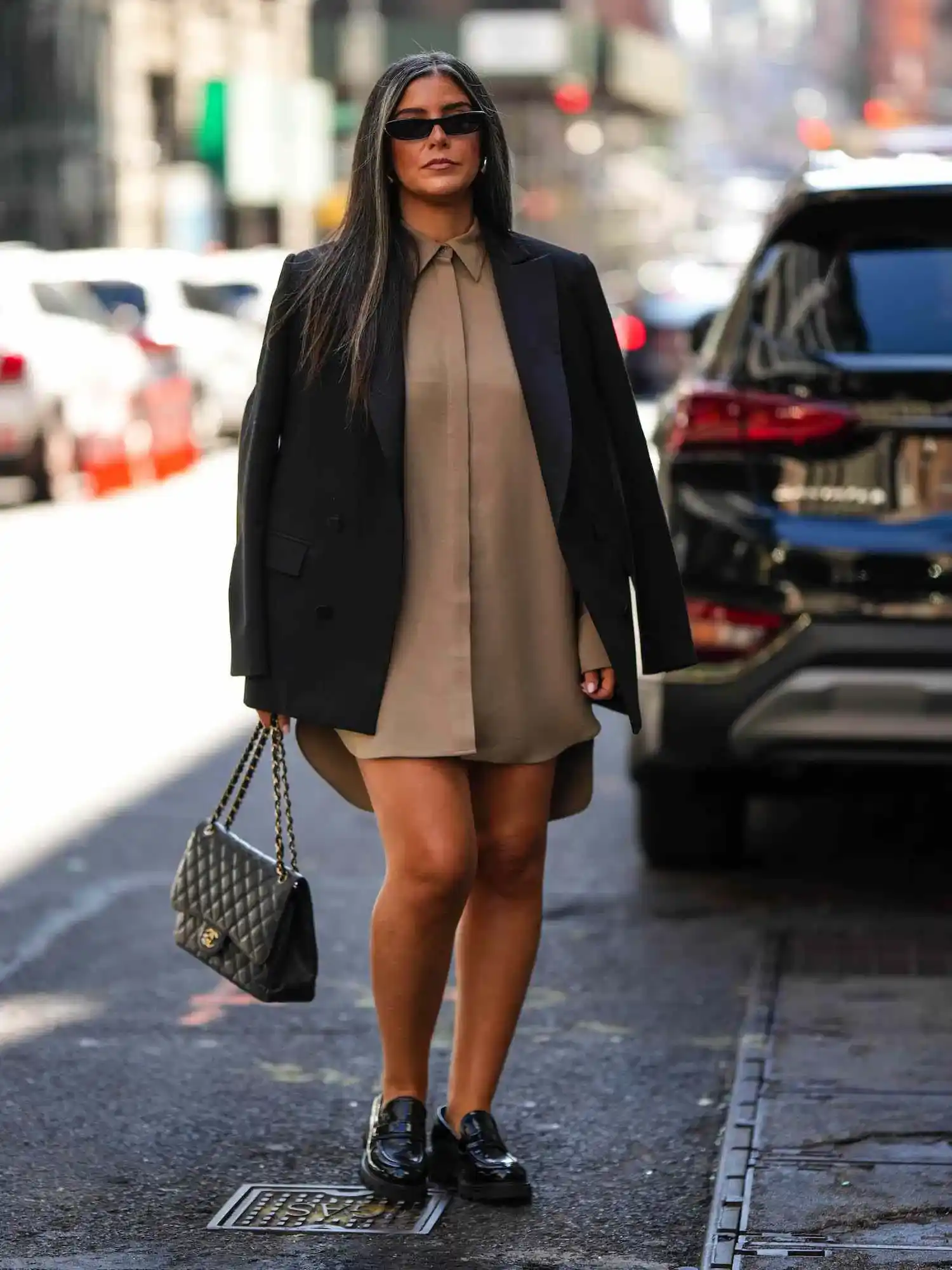
Styling Tips for Women: Expert Techniques for Effortless, Modern Dressing
Great style isn’t about buying more clothes — it’s about developing a clear understanding of proportion, fit, balance, and personal intention. The most stylish women don’t follow random rules; they know how to curate their outfits with purpose. These styling tips for women distil fashion-editor experience into practical techniques you can use daily, transforming a wardrobe from “fine” to quietly polished.
Whether you’re refining your shape awareness, learning how to combine pieces, or elevating outfits with subtle tweaks, the goal here is confidence — style that feels lived-in, easy, and unmistakably yours.
Table of Contents
- Understanding Your Silhouette
- Mastering Fit, Proportion & Balance
- Everyday Outfit Formulas
- Layering, Texture & Seasonal Dressing
- Smart Accessorising for Modern Chic
- Final Style Philosophy
1. Understand Your Silhouette Before Anything Else Styling Tips
Every great outfit begins with understanding where your body carries volume, where it needs balance, and which proportions flatter naturally. When you dress with your shape rather than against it, everything suddenly looks intentional.
Quick guidance for common silhouettes Styling Tips:
- Pear / Triangle: Boost shoulder presence, define the waist, soften hip volume.
- Apple / Round: Add structure on top, elongate the torso, keep lines vertical.
- Rectangle: Build soft curves with cinched waists, layered fabrics, or strategic volume.
- Hourglass: Follow the body’s natural lines; avoid boxy styles that hide curves.
- Inverted Triangle: Create balance with A-line skirts, wide-leg trousers, softer shoulders.
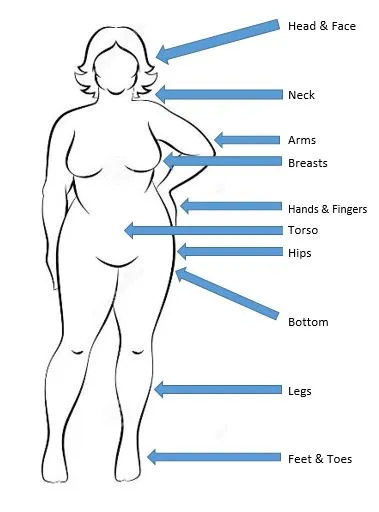
This single understanding becomes the backbone of confident styling — it guides neckline choices, hem lengths, tailoring decisions, and silhouette selection.
2. Master Fit, Proportion & Balance (The Style Trinity)
Clothes don’t need to be expensive — they need to fit. The three elements below decide whether an outfit feels expensive, even if it isn’t.
Fit
A perfectly fitting garment:
- Sits smoothly without pulling
- Has clean shoulder alignment
- Skims curves without clinging
- Maintains structure where needed
Small, inexpensive tailoring adjustments often create the biggest transformations.
Proportion
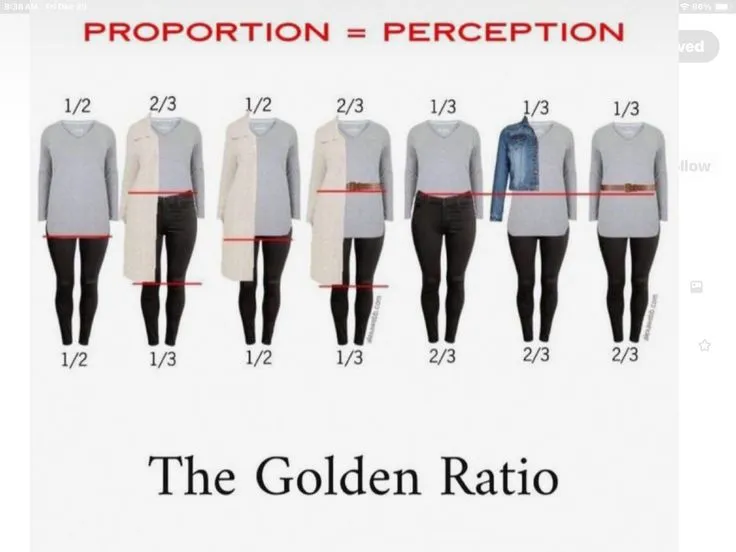
Great proportion visually harmonises your upper and lower half.
General rules that always work:
- If the top is loose, keep the bottom structured.
- If the bottom is wide, pair a fitted or cropped top.
- Keep at least one defined line (waist, shoulder, or hem).
- Break up heavy pieces with a slight skin reveal at the wrist, ankle, or collarbone.
Balance
Balance is simply controlling where the eye travels.
Want attention upward? Add detail near the face.
Want a longer leg line? Use high-rise trousers or tuck tops strategically.
3. Everyday Outfit Formulas That Always Work Styling Tips
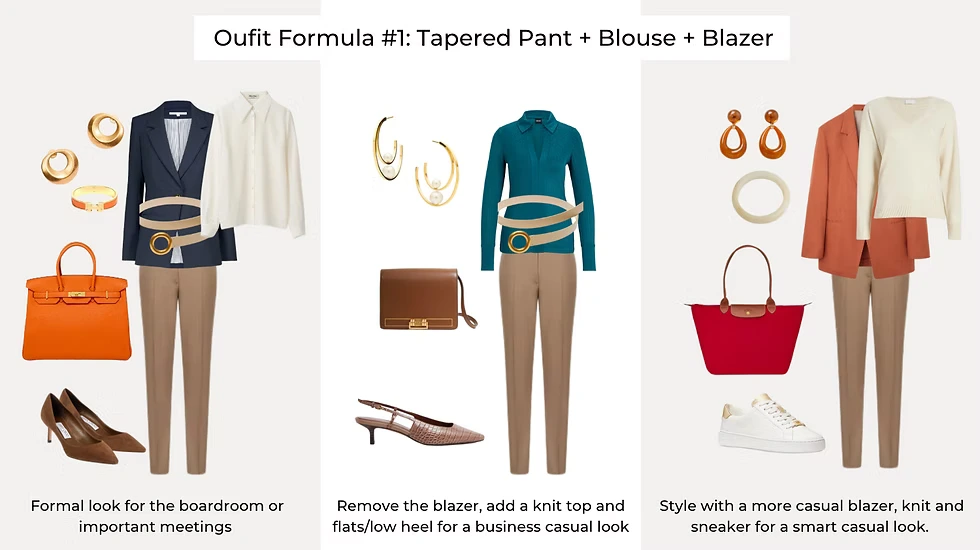
A stylish wardrobe becomes effortless when you rely on consistent outfit formulas. These aren’t boring — they free you to play with texture and detail instead of overthinking.
Formula 1: Structure + Softness
A structured blazer + fluid camisole + straight trousers = instant polish.
Soft fabric balances sharp lines beautifully.
Formula 2: One Statement, Everything Else Minimal
Let a bold skirt, bright shoe, or textured knit take centre stage.
Formula 3: Monochrome + Texture Mix
Wearing one colour family elongates the body. Add texture (ribbed knit, suede boots, silky blouse) for depth.
Formula 4: Long Over Lean
A long coat or cardigan layered over slim trousers is universally flattering.
Formula 5: Waist Definition Saves Almost Any Outfit
Even oversized pieces improve instantly with a belt or partial tuck.
4. Layering, Texture & Seasonal Styling Tips
Layering is where personal style shows itself — it’s the difference between “nice outfit” and “she always looks so put together.”
Layering rules that never fail:
- Start with the thinnest layer and build outward.
- Mix lengths intentionally: short top + longer jacket, long knit + cropped jacket.
- Use colour gradients for a cohesive look (ombre effect with neutrals).
- Combine contrasting textures (wool + silk, denim + chiffon, knit + leather).
Seasonal shifts:
- Autumn/Winter: Lean into density — wool coats, turtlenecks, ankle boots.
- Spring/Summer: Use breathable fabrics and lighter colours; keep layers minimal but thoughtful.
Well-layered outfits make movement look elegant and create depth without clutter.
5. Smart Accessorising: The Polished-Woman Principle
Accessories complete the narrative of an outfit. You don’t need many — just intentional choices.
Jewellery
- Match metals for a cohesive tone.
- Use earrings to draw attention upward.
- Layer necklaces only if necklines allow clarity.
Shoes
Shoes decide the mood:
- Pointed toe = elongated, elegant
- Chunky sole = grounded, modern
- Nude tones = effortless leg lengthening
Bags
Think proportion:
- Small structured bags = polished
- Slouchy bags = relaxed elegance
- Crossbody bags = practical chic
Final Style Philosophy: Intentional Dressing Is Powerful
The most stylish women aren’t dressing to impress — they’re dressing with clarity. They understand their shape, trust proportions, edit their outfits with confidence, and choose pieces that reflect who they are now. These styling tips for women aren’t rules; they’re tools. Tools that help you express ease, intelligence, and individuality.
Style isn’t about perfection — it’s about alignment. When your clothes match your personality, lifestyle, and proportions, the result is unmistakably powerful.
FAQs
1. What’s the most important first step in improving my style?
Understanding your body’s silhouette. Once you know where you carry volume and how to balance proportions, choosing flattering cuts becomes effortless.
2. How can I make outfits look more expensive without buying new clothes?
Focus on fit, proportion, and balance. Tailor key pieces, define your waist, adjust hem lengths, and keep shoes and accessories intentional — these details elevate even simple outfits.
3. What outfit formulas work for everyday dressing?
Reliable combinations include:
- Blazer + tee + straight trousers
- Long coat + slim trousers
- Monochrome outfit + texture mix
- Belted oversized pieces
These formulas simplify styling while keeping your looks polished.
4. How do I layer clothes without looking bulky?
Start light, build outward, mix lengths, and combine contrasting textures. Use thin inner layers and structured outerwear to maintain shape and elegance.
5. What accessories make the biggest difference?
Shoes, earrings, and bags.
- Pointed shoes elongate
- Matching metals add cohesion
- A structured bag instantly sharpens an outfit
Small accessory tweaks can transform your overall impression.
6. How do I know if an outfit is balanced?
Check where the eye travels. If one area looks heavy, add detail elsewhere. Defined waistlines, proportionate hems, and controlled volume help maintain visual harmony.
7. What’s one styling tip every woman should follow daily?
Choose one focal point — a colour, silhouette, or accessory — and keep the rest supporting it. This creates clarity and prevents outfits from feeling cluttered.